Aurora EVM market research overview
Aurora is an EVM-compatible layer built on the NEAR Protocol, designed to allow Ethereum developers to deploy Solidity smart contracts without rewriting them. It serves as a bridge, enabling seamless interaction between the Ethereum Virtual Machine and NEAR’s sharded infrastructure. This architecture aims to solve Ethereum’s scalability and cost issues while maintaining compatibility with existing Ethereum tools and libraries.
It is important to distinguish this blockchain project from Aurora Energy Research, a separate entity focused on power analytics. In the context of this market research, we are analyzing the Aurora EVM ecosystem, including its native token, AURORA, and the decentralized applications built on top of the NEAR network.
The ecosystem is currently characterized by high volatility and relatively low liquidity. Recent data indicates that while some ecosystem assets like Wrapped NEAR have seen short-term gains, the AURORA token itself trades with a market cap under $50 million. This small market size means price movements can be sharp and influenced by fewer participants compared to established layer-1 or layer-2 solutions.
Virtual Chains and Custom Infrastructure
Aurora has moved beyond being a simple bridge to Ethereum. Its core innovation is the Virtual Chains architecture, which allows developers to spin up fully customizable, EVM-compatible chains that run as smart contracts on NEAR. This isn't just about speed; it's about creating dedicated environments for specific applications without the congestion of a shared public network.
Think of Virtual Chains like private suites in a high-end hotel. Instead of everyone sharing the same lobby (the main Ethereum chain), each application gets its own space with its own rules, security parameters, and economic models. This customization is critical for high-throughput use cases like gaming, social media, or institutional DeFi, where predictable gas fees and low latency are non-negotiable.
The technical foundation relies on NEAR's Proof-of-Stake consensus. By implementing the Ethereum Virtual Machine as a smart contract on NEAR, Aurora inherits NEAR's sharding capabilities. This means that as the network grows, the infrastructure scales horizontally. Developers don't need to manage separate validator sets or worry about chain fragmentation. They deploy a Virtual Chain, and it immediately benefits from the security and throughput of the underlying NEAR protocol.
This architecture solves the "scalability trilemma" for EVM developers. They get the familiarity of Solidity and the vast ecosystem of Ethereum tools, but with the performance characteristics of a purpose-built L1. For investors and builders, this represents a shift from generic Layer 2 solutions to a modular infrastructure where each chain is optimized for its specific workload.
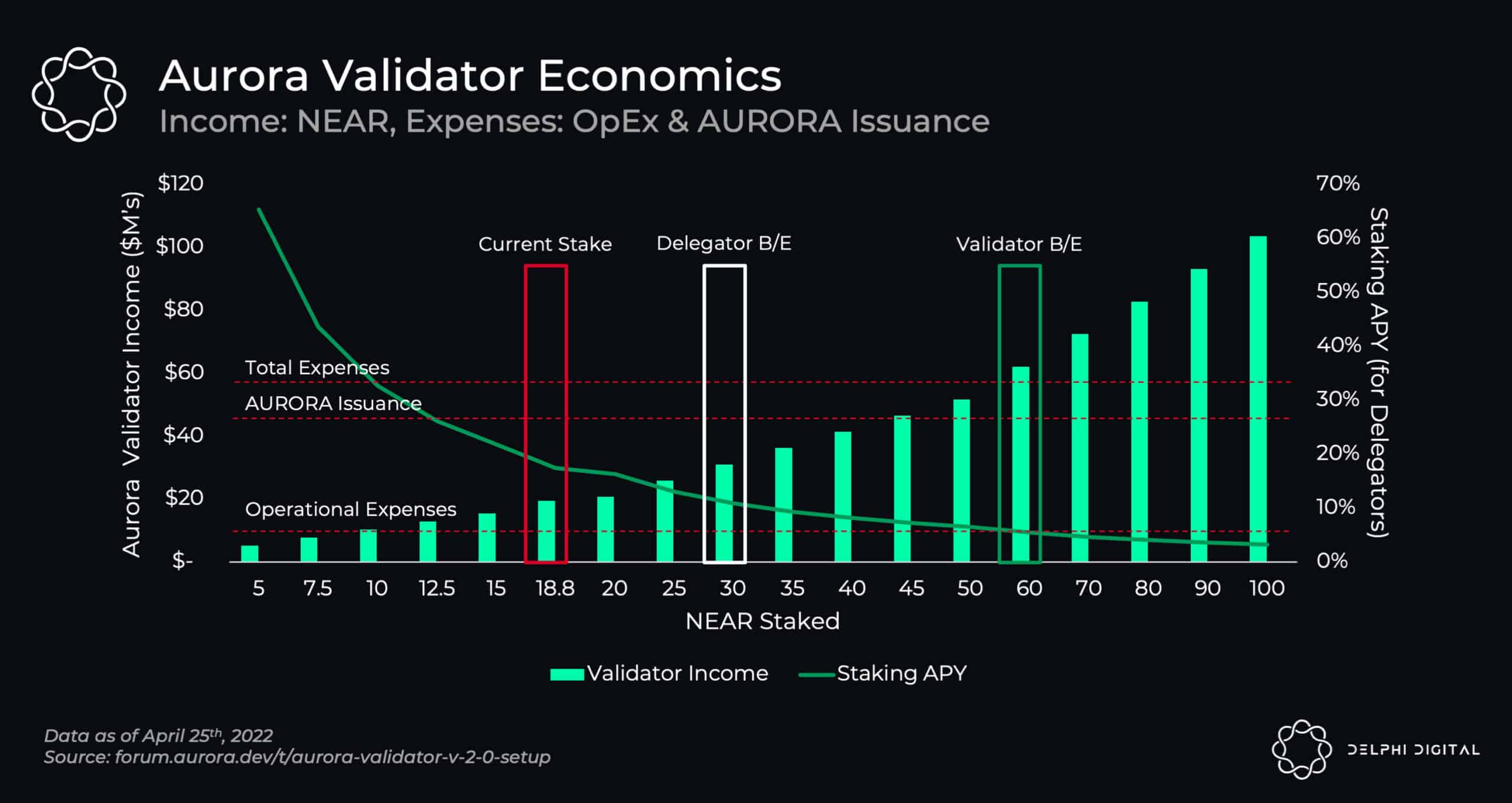
The implications for market dynamics are significant. Virtual Chains enable a new class of "app-chains" that can operate with near-zero transaction costs while maintaining Ethereum-level security. This lowers the barrier to entry for enterprise adoption and allows for innovative tokenomics that were previously too expensive to sustain on mainnet Ethereum.
Essential tools for Aurora EVM development
Building on Aurora requires a specific toolkit that bridges Ethereum compatibility with NEAR's high-performance infrastructure. Because Aurora operates as an EVM-compatible chain, developers can use familiar Solidity tools, but they must also handle the unique mechanics of virtual chains and cross-chain asset movement.
Rainbow Bridge and Cross-Chain Transfers
The Rainbow Bridge is the primary mechanism for moving assets between Ethereum and Aurora. It allows developers to lock ERC-20 tokens on Ethereum and mint their equivalents on Aurora, or vice versa. For applications relying on Ethereum liquidity, this bridge is essential for seamless asset flow. However, developers must account for the additional latency and complexity of cross-chain transactions, which differ from standard on-chain operations.
Aurora SDK and Developer Resources
The official Aurora SDK provides the necessary libraries and documentation to interact with the network. It supports standard Ethereum JSON-RPC methods, meaning existing Ethereum dApps can often migrate with minimal code changes. The SDK also includes utilities for managing virtual chains, allowing developers to deploy fully customizable EVM chains that run as smart contracts on NEAR. This flexibility is crucial for projects requiring high throughput and low fees.
Wallet and Infrastructure Support
Most major Ethereum wallets, such as MetaMask, support Aurora out of the box. Developers simply need to add the Aurora network configuration to their wallet settings. For infrastructure, providers like QuickNode and Alchemy offer Aurora endpoints, ensuring reliable access to the blockchain. This broad compatibility reduces the friction of onboarding users who are already familiar with the Ethereum ecosystem.
Security and Testing
Before deploying mainnet contracts, developers should use Aurora's testnet and local development environments. Tools like Hardhat and Truffle are fully supported, allowing for rigorous testing of smart contracts in a staging environment. Given the high-stakes nature of financial applications, thorough auditing and testing are non-negotiable. The low liquidity and high volatility of the AURORA token also necessitate careful risk management in application design.
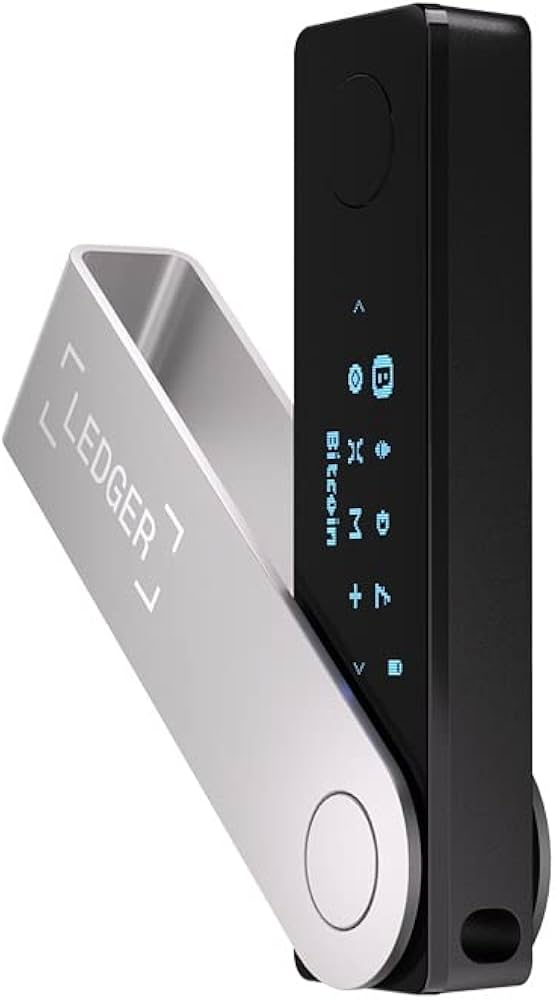
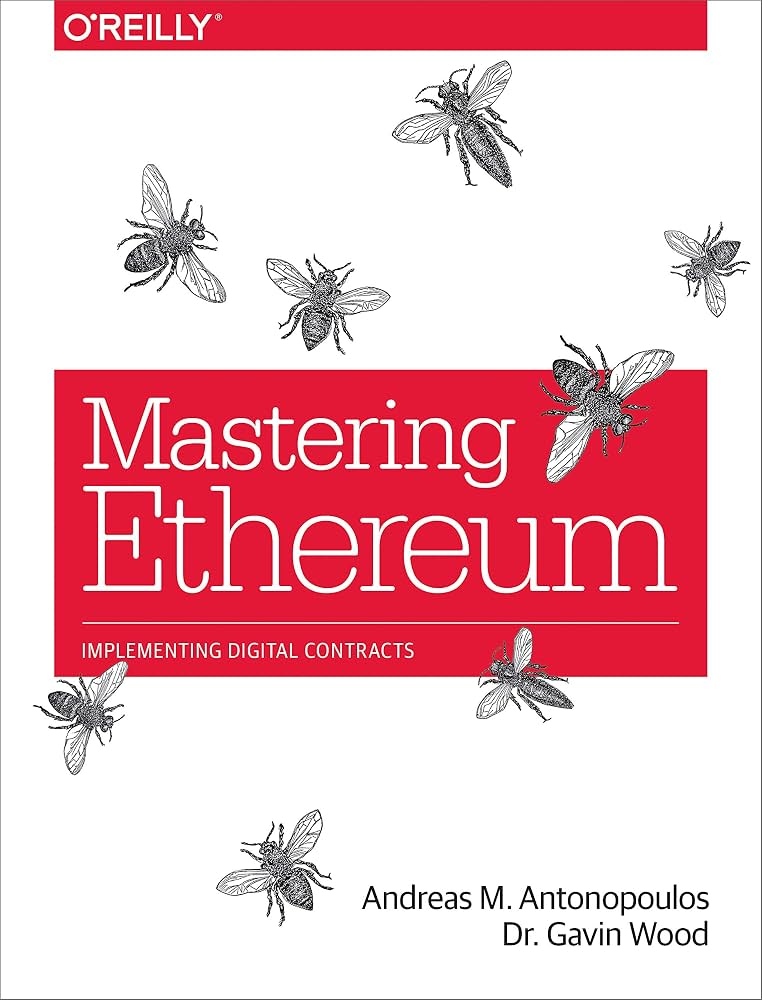

As an Amazon Associate, we may earn from qualifying purchases.
Strategic positioning and liquidity risks
Aurora EVM faces a distinct set of strategic headwinds as it navigates the broader crypto market in 2026. While its integration with NEAR Protocol offers unique technical advantages, the token itself struggles with market depth. With a market capitalization hovering under $50 million, AURORA experiences significant price volatility and low liquidity, making it a high-risk asset for institutional or large-scale retail participation.
This liquidity constraint is not just a price issue; it affects the broader ecosystem's ability to attract stable capital. Projects building on Aurora must account for the friction of exiting positions, which can deter developers who prioritize capital efficiency and stable yield environments. The ecosystem's recent 7-day gains, led by Wrapped NEAR, show localized strength, but this does not necessarily translate to sustained growth for the core AURORA token.
To understand Aurora's current standing, it is essential to compare its metrics against other layer-2 and EVM-compatible solutions. The following table highlights key differences in market capitalization and trading volume, illustrating where Aurora sits relative to its peers.
The disparity in market cap is stark. Arbitrum and Optimism benefit from deep liquidity pools and established user bases, allowing for smoother trading and lower slippage. Aurora, by contrast, operates in a niche where speculative interest often outweighs utility-driven demand. This makes its price action more susceptible to sudden swings rather than steady, organic growth.
For investors and builders, the strategic implication is clear: Aurora offers high-risk, high-reward potential tied to NEAR's broader adoption. However, the current liquidity environment demands caution. Without a significant influx of capital or a breakthrough in developer adoption that drives consistent transaction volume, Aurora's market position will remain fragile.
No comments yet. Be the first to share your thoughts!