Aurora EVM analysis: infrastructure and strategic checks
Aurora EVM analysis begins with its underlying architecture. The network is not a standalone blockchain but a virtual chain running as a smart contract on NEAR Protocol. This design choice dictates its performance characteristics and security model. Developers leveraging this infrastructure benefit from EVM compatibility without the congestion of the Ethereum mainnet. The core engine is a high-performance, pure Rust implementation of the EVM, prioritizing efficiency and security. This technical foundation allows for customizable virtual chains that scale with demand.
For Web3 developers, the strategic value lies in the trade-off between decentralization and throughput. Aurora’s integration with NEAR provides access to its sharding capabilities, enabling faster finality and lower transaction costs. However, this reliance on a single Layer 1 introduces specific considerations for data availability and validator sets. The ecosystem supports a wide range of Ethereum-native tools, reducing the friction for teams migrating from Ethereum or Polygon. Understanding these infrastructure layers is essential for evaluating Aurora’s long-term viability in the multi-chain landscape.
The market context further influences this analysis. Recent price movements for Aurora’s associated tokens often correlate with broader NEAR ecosystem growth and Ethereum developer adoption. While the token’s value is driven by speculative interest and utility within the NEAR network, the underlying technology remains the primary driver for institutional and developer interest. The focus remains on the technical capabilities of the EVM implementation and its ability to support complex DeFi and NFT applications efficiently.
Aurora evm analysis choices that change the plan
Use this section to make the Aurora EVM Analysis decision easier to compare in real life, not just on paper. Start with the reader's actual constraint, then separate must-have requirements from details that are merely nice to have. A practical choice should survive normal use, maintenance, timing, and budget. If a recommendation only works in an ideal situation, call that out plainly and give the reader a fallback path.
| Factor | What to check | Why it matters |
|---|---|---|
| Fit | Match the option to the primary use case. | A good deal still fails if it does not fit the job. |
| Condition | Verify age, wear, and service history. | Hidden condition issues erase upfront savings. |
| Cost | Compare purchase price with likely upkeep. | The cheapest option is not always the lowest-cost option. |
Build with Aurora EVM in 2026
Aurora EVM 2026 isn't just a network; it's a virtual chain. Running as a smart contract on NEAR, it lets developers spin up fully customizable EVM-compatible environments. This architecture solves the scalability bottleneck without sacrificing Ethereum compatibility.
Before committing code, verify your fit. The infrastructure offers high throughput and lower fees, but it requires understanding the NEAR consensus layer. Use this framework to decide if Aurora is the right chain for your specific Web3 project.
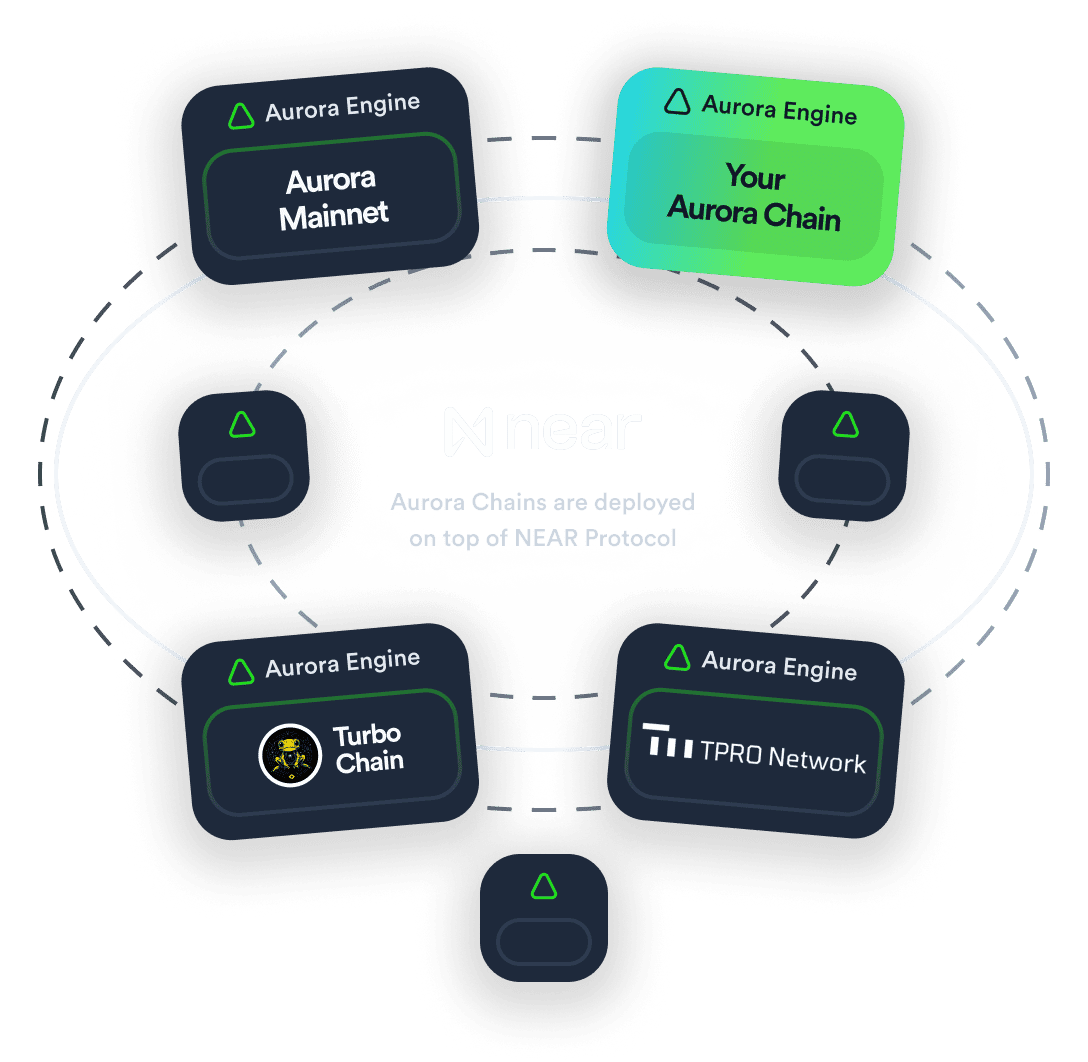
Aurora EVM is a pure Rust implementation designed for security and efficiency. If your project relies on existing Solidity tooling or needs to port Ethereum dApps, Aurora provides a drop-in environment. Check if your smart contracts use advanced EVM opcodes that might behave differently on the NEAR backend. The goal is seamless migration, not rewriting.
The core advantage is "Virtual Chains." Unlike shared networks, Aurora allows you to deploy isolated chains that run as smart contracts. This means you can customize gas models, consensus rules, and tokenomics per project. If you are building a high-frequency trading platform or a game requiring thousands of transactions per second, this isolation prevents network congestion from affecting your users.
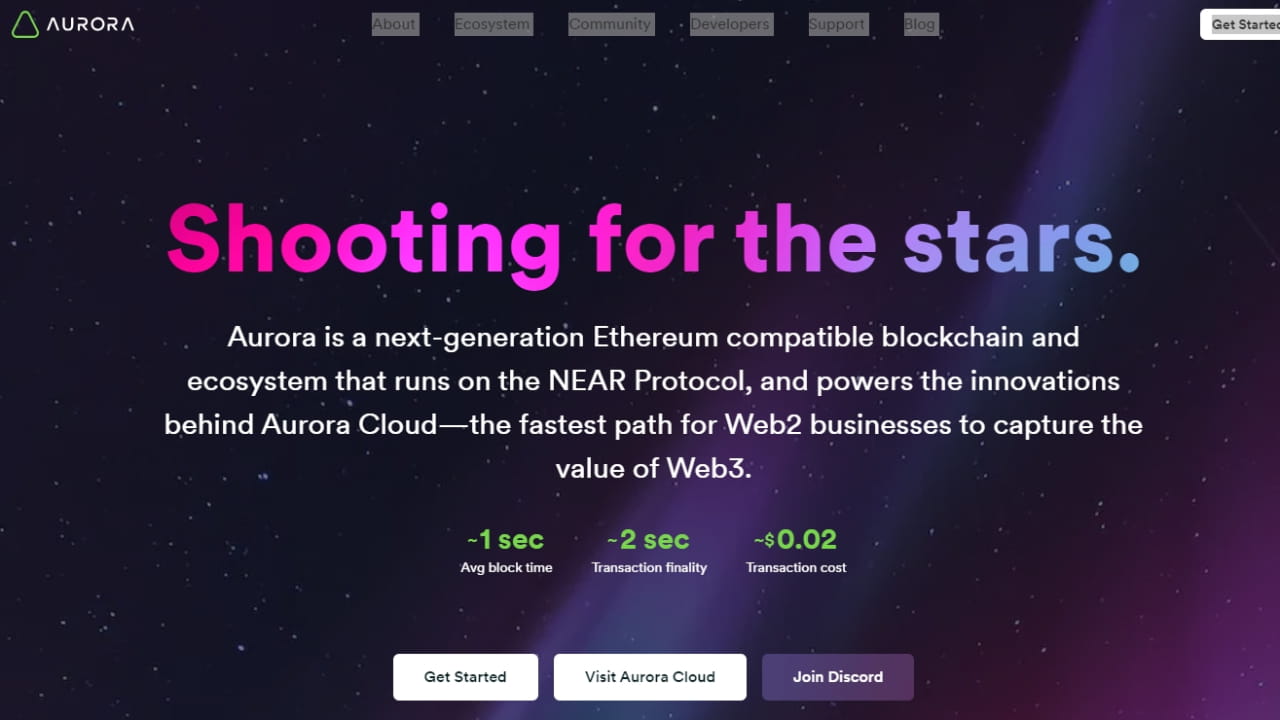
Aurora's fee structure is significantly lower than Ethereum mainnet and often competitive with other L2s. However, costs are denominated in NEAR. Analyze your projected transaction volume against NEAR's current price volatility. For applications with high transaction counts, the lower base fee can make a substantial difference in user retention, but you must account for the NEAR token's market fluctuations in your financial model.
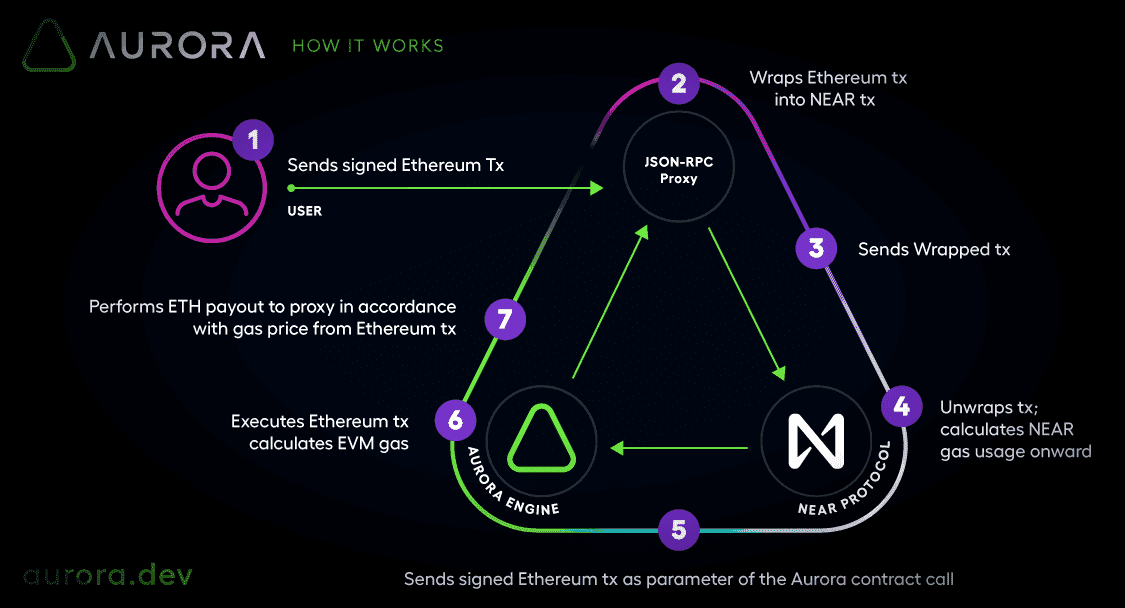
The ecosystem is built on open-source standards. Ensure your preferred development frameworks (Hardhat, Foundry, Truffle) are compatible with the current Aurora EVM node versions. The GitHub repository for Aurora EVM is actively maintained, but always check for recent breaking changes in the Rust implementation. Testing on the Aurora testnet is mandatory before mainnet deployment to catch any NEAR-specific edge cases.
| Feature | Aurora EVM | Standard Ethereum L2 |
|---|---|---|
| Architecture | Virtual Chains on NEAR | Rollup on Ethereum |
| Customizability | High (per-chain) | Medium (shared sequencer) |
| Gas Token | NEAR | ETH |
Avoiding Misleading Claims in Aurora EVM 2026
Developers evaluating Aurora EVM for 2026 must separate infrastructure reality from marketing hype. The network’s core value proposition relies on its virtual chains running as smart contracts on the NEAR Protocol, offering EVM compatibility with distinct scalability benefits. However, several common claims obscure the actual trade-offs involved in deployment and maintenance.
One frequent misconception is that Aurora offers lower transaction fees without trade-offs. While fees are generally lower than Ethereum mainnet, they are not free of cost. The network’s efficiency comes from its pure Rust EVM implementation, which prioritizes security and speed. Developers should verify that their smart contracts are optimized for this specific environment, as gas mechanics can differ from standard EVM chains. Ignoring these nuances can lead to unexpected costs or failed deployments.
Another area of confusion involves NFT valuation and utility. Some projects claim that tokenizing real-world assets on Aurora guarantees value appreciation. This is misleading. NFT value is driven by market demand and utility, not just the blockchain it resides on. Tokenization reduces fraud and improves trading efficiency, but it does not automatically create value. Projects must focus on genuine use cases rather than relying on the underlying infrastructure for price support.
Finally, be wary of conflating Aurora EVM with other "Aurora" technologies, such as Microsoft’s weather forecasting model. This confusion can lead to poor technical decisions. Aurora EVM is a blockchain infrastructure, not a data science tool. Ensure your team understands the distinction to avoid misallocating resources or misunderstanding the network’s capabilities. For accurate, up-to-date performance metrics, refer to the official Aurora documentation and GitHub repository.
No comments yet. Be the first to share your thoughts!