Aurora evm market research
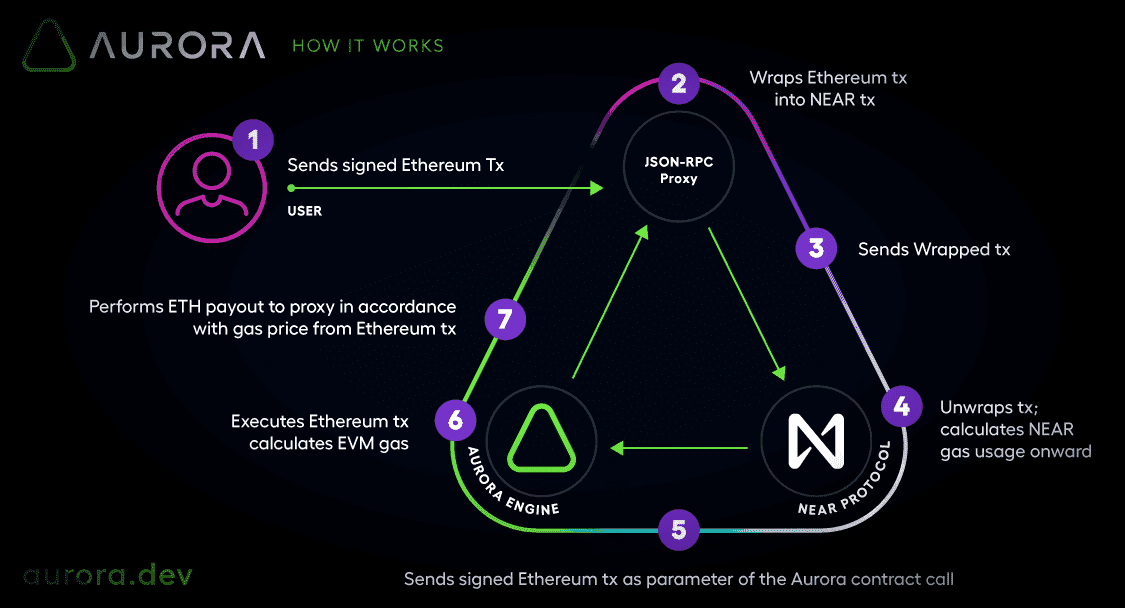
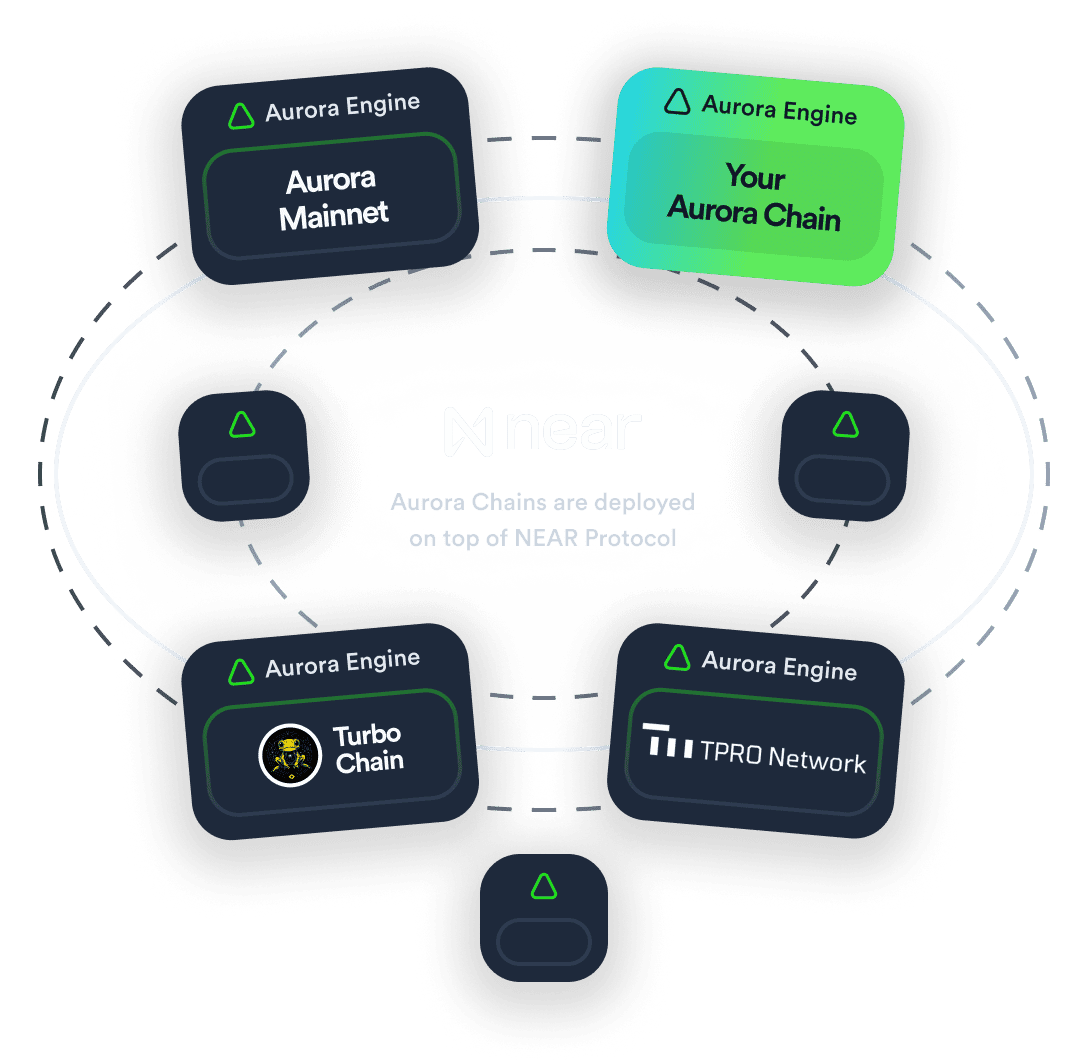
Aurora is an EVM-compatible network that runs on top of the NEAR protocol. This architecture allows developers to use familiar Ethereum tools and wallets while accessing NEAR’s high throughput and low transaction fees. The network supports "virtual chains," enabling projects to spin up their own custom chains as smart contracts without leaving the EVM environment.
When evaluating Aurora for market fit, consider the tradeoff between compatibility and native ecosystem maturity. While the EVM compatibility lowers the barrier to entry for Ethereum developers, Aurora must continue to differentiate itself from other Layer 2 solutions to sustain long-term value. Increased interest in its coin often correlates with broader adoption of the NEAR network and successful deployment of virtual chains.
For real-time market data, Aurora (AURORA) currently trades around $0.032, though prices fluctuate significantly. Investors should monitor official sources for updates on network upgrades and partnership developments rather than relying on short-term price speculation.
Aurora evm market research choices that change the plan
Evaluating Aurora requires looking past the EVM compatibility label. The core value proposition rests on running Ethereum-compatible smart contracts as a native smart contract on the NEAR blockchain. This architecture creates distinct tradeoffs between developer familiarity, transaction throughput, and capital efficiency.
Cost vs. Decentralization
Aurora’s primary advantage is cost. By leveraging NEAR’s sharding, gas fees remain fraction of a cent. However, this efficiency comes with a dependency on NEAR’s validator set. If you prioritize absolute decentralization over low fees, you might find this reliance on a single L1’s security model restrictive compared to independent L2 rollups.
Virtual Chains vs. Standard Deployment
The platform’s "virtual chains" feature allows projects to spin up custom, isolated EVM environments. This is ideal for gaming or high-frequency trading applications needing dedicated throughput. For most DeFi protocols, a standard shared chain is sufficient and simpler to maintain. Choose virtual chains only if you need strict resource isolation.
Ecosystem Liquidity
Aurora benefits from NEAR’s growing user base, but its DeFi liquidity is fragmented. While popular DEXs are present, the total value locked (TVL) often trails larger Ethereum L2s. You must evaluate whether the lower fees justify the potential slippage and lower depth in certain pools.
| Feature | Aurora EVM | Standard L2 (e.g., Arbitrum) | Base Chain |
|---|---|---|---|
| Architecture | Smart contract on NEAR | Rollup on Ethereum | Optimistic Rollup |
| Gas Fees | Extremely low | Low | Low |
| Security Model | NEAR L1 Security | Ethereum L1 Security | Ethereum L1 Security |
| Developer Tooling | Full EVM compatibility | Full EVM compatibility | Full EVM compatibility |
| Liquidity Depth | Moderate | High | High |
How to Choose Your Aurora Scaling Strategy
Aurora’s architecture offers flexibility that can feel like standing in a hardware store with every tool you need but no clear project. The core decision is whether to build on the shared NEAR-EVM chain or spin up a Virtual Chain. Your choice depends on your project’s traffic, budget, and need for isolation.
1. Assess Your Throughput Needs
If your dApp expects high-frequency transactions, such as a gaming platform or a high-volume DeFi exchange, the shared Aurora chain may face congestion during peak times. Virtual Chains (vChains) allow you to customize gas limits and block times specifically for your application. This isolation ensures your users never pay for others’ network noise. For moderate traffic, the shared chain remains cost-effective and simpler to deploy.
2. Evaluate Security and Trust Assumptions
Building on the shared chain inherits NEAR’s security model, which is robust but shared with all other projects on the network. Virtual Chains offer a different trade-off: they are secured by the Aurora bridge and the specific validator set you choose or inherit. If your project handles high-value assets and requires a dedicated security perimeter, a vChain provides that separation. However, it requires more oversight to ensure the bridge remains solvent and secure.
3. Calculate Cost Efficiency
Transaction fees on Aurora are generally lower than Ethereum Mainnet, but the savings vary by approach. The shared chain offers predictable, low gas fees for standard ERC-20 and ERC-721 transactions. Virtual Chains can offer even lower costs for high-volume, low-value interactions because you control the gas pricing mechanism. Run a simulation of your expected monthly transaction volume against both models to see where the break-even point lies.
4. Check Developer Ecosystem Compatibility
Aurora is fully EVM-compatible, meaning you can deploy standard Solidity smart contracts without modification. If your team is already proficient with Ethereum tools like Hardhat, Foundry, or Remix, you can deploy immediately. For Virtual Chains, ensure your deployment scripts are configured for the specific RPC endpoints of your chosen chain. The shared chain offers the broadest support from existing wallets and explorers, reducing friction for early adopters.



As an Amazon Associate, we may earn from qualifying purchases.
Watchouts: Common Aurora Mistakes and Weak Options
Aurora’s architecture as an EVM-compatible network on NEAR offers speed and low fees, but the path to scaling is not without pitfalls. Many projects assume that simply porting Ethereum contracts is enough, ignoring the nuances of virtual chains and the specific requirements of the NEAR ecosystem. This section highlights critical watchouts to help you avoid common mistakes and weak options in 2026.
Misleading Claims About "Seamless" Migration
The biggest trap for developers is the belief that Aurora is just "Ethereum but faster." While Aurora runs EVM-compatible smart contracts, it is not a direct fork of Ethereum. It relies on a bridge to NEAR, which introduces unique latency and security considerations. Claims of "seamless" migration often gloss over the need to adapt gas models and bridge security. If your project relies on complex, high-frequency transactions, you must audit your contract for NEAR-specific constraints, not just Ethereum standards.
Weak Options: Ignoring Virtual Chains
Aurora’s "virtual chains" feature allows projects to spin up custom chains. However, many teams treat this as a silver bullet without understanding the operational overhead. Running a virtual chain requires significant infrastructure and governance. For many smaller projects, this is a weak option that dilutes resources. Instead of building a full virtual chain, consider leveraging Aurora’s shared security and cross-chain interoperability features first. Only opt for a virtual chain if you have the scale and technical capacity to manage it independently.
Market Volatility and Token Utility
Investors often focus on Aurora’s price movements, currently around $0.032, without assessing the underlying utility. The token’s value is tied to NEAR’s ecosystem growth and Aurora’s adoption. Be wary of narratives that promise rapid price increases based solely on technical features. The market is sensitive to broader crypto trends and NEAR’s performance. Always verify the real-world usage of the AURORA token in dApps and bridge transactions before making investment decisions.
Aurora evm market research: what to check next
Before committing capital or development resources to Aurora, it helps to separate the network’s technical utility from its market mechanics. The following answers address the most common practical objections and search intents surrounding the AURORA token and its underlying infrastructure.
These questions highlight the core trade-off: Aurora offers significant technical advantages for developers through its EVM compatibility and virtual chain architecture, but investors must weigh these benefits against the token’s historical volatility and competition from other L2 solutions.
No comments yet. Be the first to share your thoughts!