What makes Aurora EVM different
Aurora occupies a distinct space in the Ethereum ecosystem because it is not a separate blockchain with its own consensus mechanism. Instead, it operates as a smart contract deployed directly on the NEAR Protocol. This architectural choice means Aurora inherits NEAR’s security and sharding capabilities while providing a fully EVM-compatible environment for developers. It is a "virtual chain" that runs on top of an existing Layer 1, rather than a traditional Layer 2 rollup or a standalone Layer 1 network.
The core of this architecture is Aurora’s high-performance, pure Rust implementation of the Ethereum Virtual Machine. By rewriting the EVM in Rust, Aurora achieves efficiency and speed that standard implementations often lack. This pure Rust EVM is designed for security and full Ethereum compatibility, allowing developers to deploy existing Solidity contracts without modification. The result is a network that feels like Ethereum but runs on the underlying infrastructure of NEAR.
This setup allows Aurora to offer the scalability and speed needed for modern applications while maintaining the robustness of the NEAR network. Developers benefit from the familiar Ethereum tooling and ecosystem, including support for MetaMask, Etherscan, and major DeFi protocols, without sacrificing the performance advantages of a high-throughput base layer. The network’s design prioritizes seamless integration for users and developers who are already familiar with the Ethereum standard.
For those tracking the broader market context, the performance of EVM-compatible networks often correlates with broader crypto market trends. You can monitor the current price and technical indicators for Aurora’s native token below.
Technical Architecture and Performance
Aurora distinguishes itself through a pure Rust implementation of the Ethereum Virtual Machine (EVM). This choice is not merely aesthetic; it fundamentally alters the performance and security profile of the network. By building the EVM from the ground up in Rust, Aurora avoids the legacy constraints of earlier EVM clones, delivering a system designed for both high efficiency and rigorous security standards.
The integration with NEAR Protocol is the engine behind this performance. Aurora operates as an EVM-compatible layer on NEAR, leveraging NEAR’s sharding technology to achieve high throughput. This architecture allows Aurora to process transactions significantly faster than the Ethereum mainnet, while maintaining the ability to settle finality on NEAR. For developers, this means the ability to build complex decentralized applications (dApps) that require low latency and high scalability without sacrificing Ethereum compatibility.
Rust Implementation Benefits
The decision to use Rust provides several concrete advantages for the Aurora ecosystem. Rust’s memory safety guarantees eliminate entire classes of bugs common in other systems languages, such as buffer overflows and data races. This results in a more stable and predictable runtime environment for smart contracts.
In addition, Rust’s performance characteristics allow for efficient execution of EVM bytecode. The Aurora team has optimized the interpreter to minimize overhead, ensuring that transaction processing is fast and cost-effective. This technical foundation supports the high throughput that NEAR’s sharding enables, creating a seamless experience for users who expect Ethereum-like functionality with superior speed.
NEAR Integration and Scalability
Aurora’s position as an EVM on NEAR offers a unique value proposition. It allows Ethereum developers to deploy their existing tools and libraries directly onto the NEAR blockchain. This bridges the gap between Ethereum’s massive developer community and NEAR’s high-performance infrastructure.
The integration also provides access to NEAR’s account model and near-finality, which reduces the friction typically associated with cross-chain interactions. Developers can leverage NEAR’s developer tools and SDKs while writing smart contracts in Solidity or Vyper. This hybrid approach maximizes the utility of existing Ethereum investments while unlocking the scalability benefits of a sharded L1 blockchain.
Virtual chains as scalable EVM environments
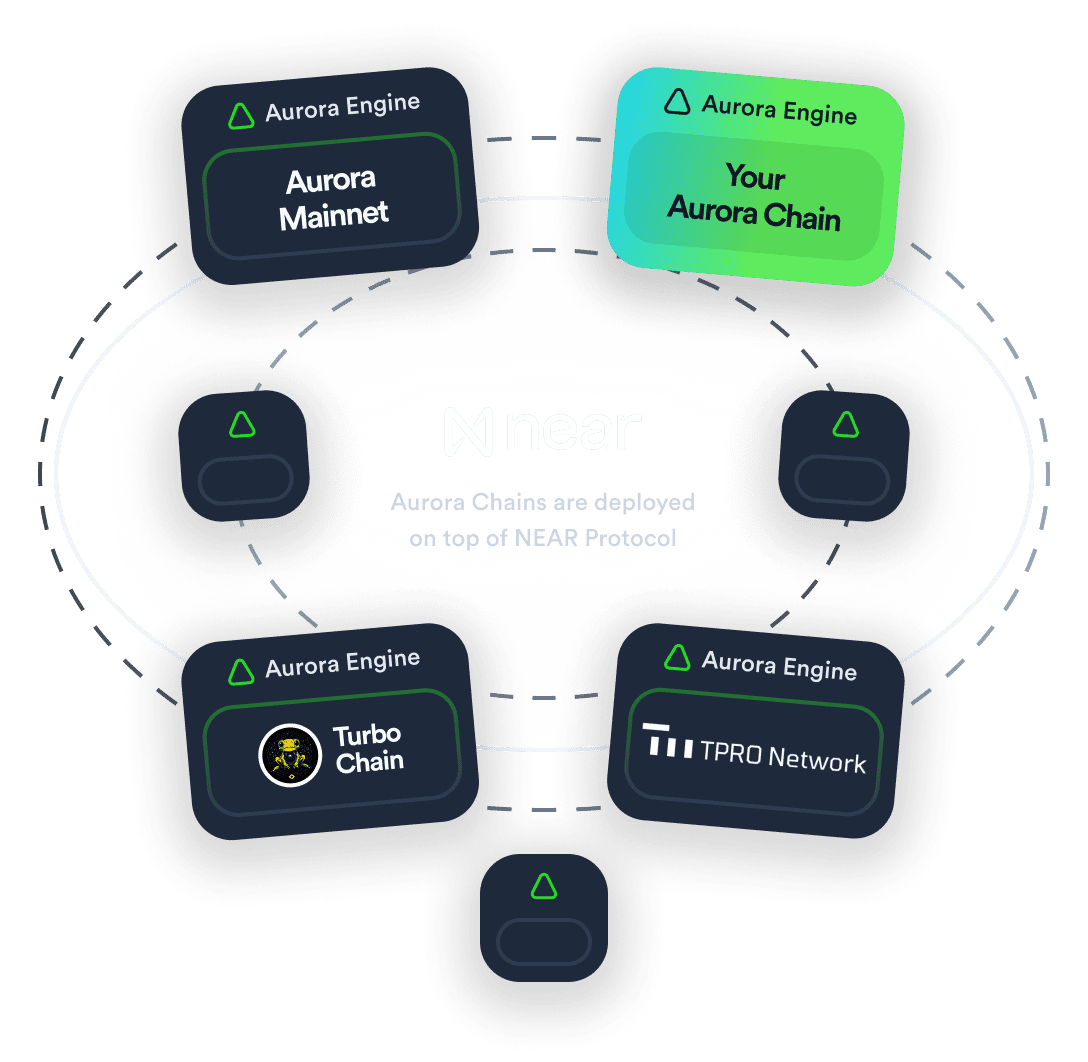
Virtual Chains are the core innovation that lets Aurora scale without the overhead of separate consensus layers. Instead of launching a new blockchain with its own validators, Aurora deploys virtual chains as smart contracts on the NEAR network. This architecture allows developers to spin up fully customizable, EVM-compatible environments on demand.
Think of Virtual Chains like individual rooms in a large hotel. Each room (chain) has its own layout and rules, but they all share the same foundation, plumbing, and security provided by NEAR. This means you get the isolation and customization of a dedicated L1, but with the speed and cost-efficiency of a shared infrastructure. You can configure gas fees, block times, and precompiles to fit specific app needs without waiting for network-wide upgrades.
This approach removes the fragmentation that often plagues multi-chain ecosystems. Developers don't need to bridge assets across disparate networks with different consensus mechanisms. Instead, they deploy within the Aurora ecosystem, leveraging NEAR's sharding for throughput. The result is a scalable environment where applications can grow independently while remaining securely anchored to a robust, unified base layer.
Aurora mainnet performance
Essential tools and developer stack
Building on Aurora requires a specific set of infrastructure tools tailored to its EVM architecture. While the environment mirrors Ethereum, the underlying NEAR Protocol integration introduces unique operational nuances. Developers need reliable explorers, robust SDKs, and compatible IDEs to navigate this stack effectively.
Aurorascan serves as the primary block explorer, offering parity with Etherscan’s feature set. It provides the necessary data visibility to monitor transactions, verify contracts, and analyze network activity on Aurora. For developers, it is the central hub for verifying deployment success and tracking real-time gas prices. Reliability here is critical for debugging and ensuring transaction finality.
On the development side, Aurora provides official SDKs that simplify interaction with the network. These libraries handle the complexities of bridging assets between Ethereum and NEAR, allowing developers to focus on smart contract logic rather than cross-chain mechanics. Integrating these SDKs into your IDE ensures smoother deployment pipelines and accurate state management.
The following table compares Aurora’s core developer tools against generic Ethereum L2 infrastructure to highlight feature parity and specific advantages.
| Tool | Aurora EVM | Generic Ethereum L2 |
|---|---|---|
| Explorer | Aurorascan (Etherscan parity) | Standard L2 Explorer |
| SDKs | Official NEAR/Aurora SDKs for bridging | Standard Web3.js/Ethers.js |
| IDE Support | Full Solidity compatibility | Full Solidity compatibility |
Aurora Ecosystem Growth and Market Position
Aurora has carved out a distinct niche as the primary Ethereum Virtual Machine (EVM) environment on the NEAR Protocol. By enabling Solidity smart contracts to run natively on NEAR, it offers developers a bridge between Ethereum’s vast developer ecosystem and NEAR’s high-throughput infrastructure. This architectural choice has positioned Aurora as a key testbed for cross-chain compatibility and scalable dApp deployment.
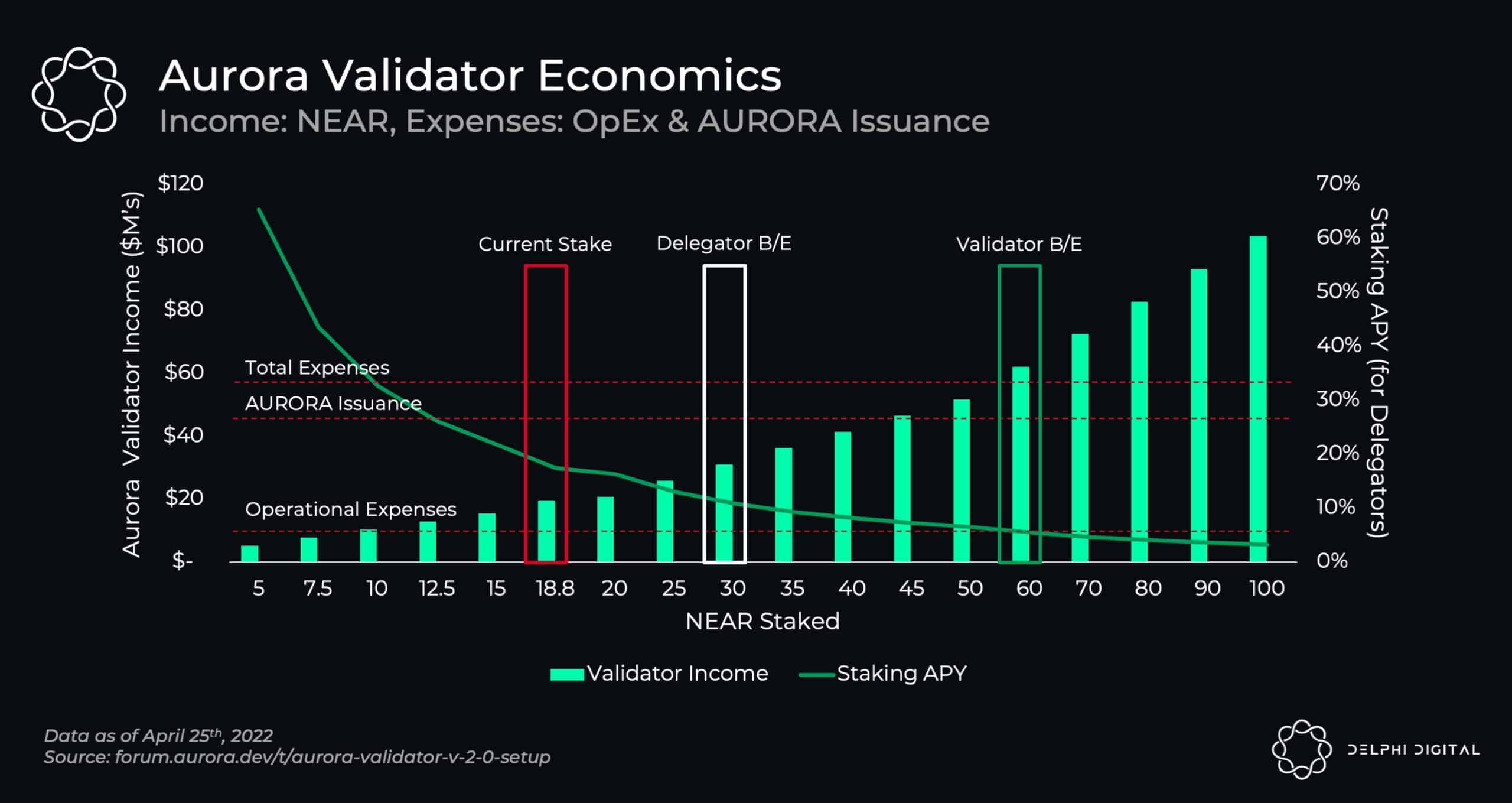
The project’s financial backing reflects confidence in this interoperability model. According to ICO data, Aurora has raised approximately $100 million in funding, a significant milestone that supports continued development and ecosystem incentives. This capital base allows the team to focus on long-term infrastructure stability rather than short-term speculative gains.
Current Market Dynamics
Market activity for Aurora tokens often correlates with broader NEAR ecosystem trends. Recent analysis has noted periods of significant volatility, including a five-fold increase in specific metrics, driven by renewed interest in layer-2 solutions and cross-chain bridges. Traders and investors watch these movements closely, as they often signal shifting sentiment toward EVM-compatible chains.
To track real-time performance, the widget below provides live price data for the AURORA token.
Strategic Use Cases in 2026
Looking ahead, Aurora’s strategy focuses on reducing transaction costs and improving finality times for Ethereum-based applications. By leveraging NEAR’s nightshade sharding, Aurora aims to handle higher throughput than many traditional EVM chains. This makes it particularly attractive for gaming, DeFi, and NFT platforms that require low-latency interactions without sacrificing Ethereum compatibility.
The ecosystem is also expanding its tooling support, making it easier for existing Ethereum projects to migrate or deploy sidechains. This developer-friendly approach is crucial for sustaining growth in a competitive market where user experience and cost efficiency are primary differentiators.
Checklist for building on Aurora
Before writing your first line of Solidity, ensure your environment is ready for Aurora’s EVM compatibility. This network runs as smart contracts on NEAR, offering a familiar development experience with distinct infrastructure considerations.
Configure MetaMask or your preferred wallet to connect to the Aurora network. You will need to add the Aurora RPC URL and chain ID to your wallet settings to interact with the network directly.
Aurora supports dual-token payments. You can bridge ETH from Ethereum Mainnet or use NEAR tokens to pay for gas fees. Using a bridge like the official Aurora Bridge simplifies moving assets from other chains.
Initialize your project using Hardhat or Foundry. These tools are fully compatible with Aurora, allowing you to write, test, and compile smart contracts using standard EVM tooling without significant adaptation.
Always deploy to the Aurora Testnet before mainnet. Use a faucet to obtain test ETH for gas fees, and verify your contract address to ensure your deployment is correct and transparent.
Once your contract is verified on the testnet, you can proceed to mainnet deployment. Keep an eye on gas prices, as they fluctuate based on network activity. For real-time market context, you can track Aurora’s performance using the chart below.
Recommended hardware and software
Running a node or building on Aurora EVM requires a reliable foundation. The network’s high-performance architecture, powered by a pure Rust implementation, demands hardware that can handle rapid block finality without bottlenecks.
For developers, stability matters more than raw peak speed. A workstation with at least 16GB of RAM and a multi-core processor ensures smooth local testing and deployment cycles. Pair this with a secure hardware wallet to manage private keys safely during contract interactions.
On the software side, use the official Aurora EVM client for node operation. It provides the most direct path to the network, ensuring compatibility with NEAR-specific optimizations. For local development, standard Ethereum tooling like Hardhat or Foundry works seamlessly, allowing you to deploy Solidity contracts with minimal friction.


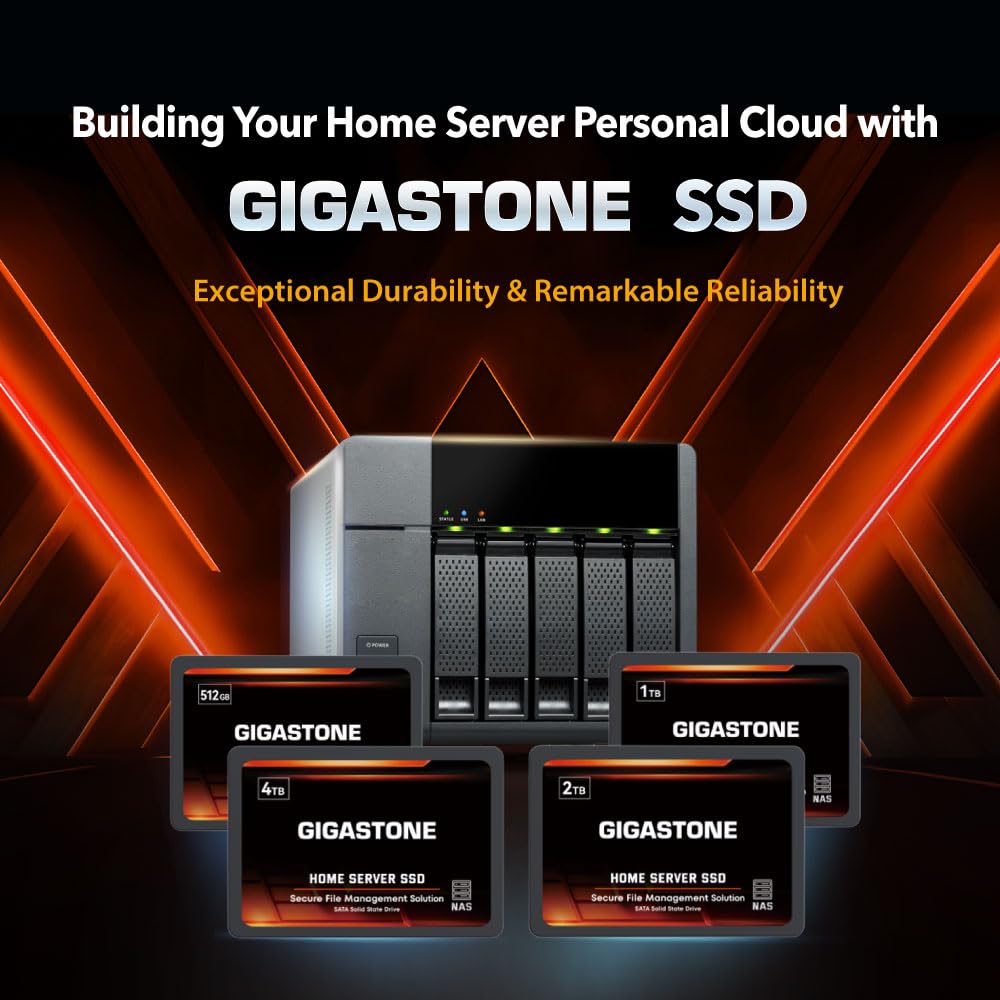
As an Amazon Associate, we may earn from qualifying purchases.
No comments yet. Be the first to share your thoughts!