How Aurora’s Virtual Chains Work
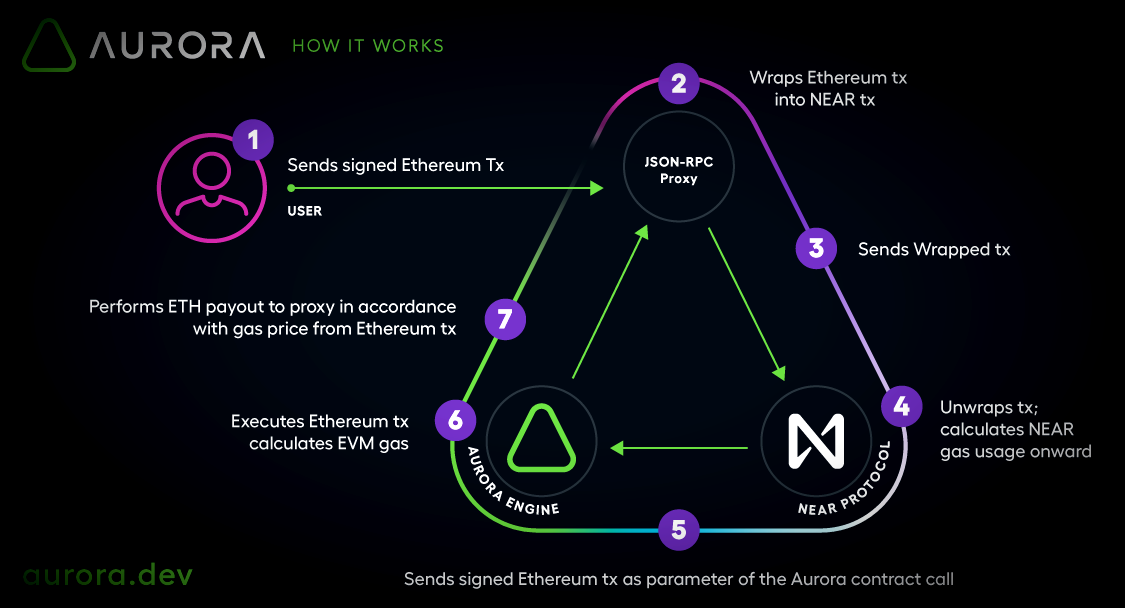
Aurora isn’t just another Layer 2 blockchain; it’s a platform for creating them. The core architectural advantage lies in its ability to run fully customizable, EVM-compatible chains as smart contracts directly on the NEAR Protocol. This approach, often called "virtual chains," allows developers to spin up their own dedicated Ethereum environments without the heavy lifting of building a new base layer or managing complex rollup infrastructure.
Think of NEAR as the bedrock and Aurora as the construction kit. Instead of pouring a new concrete foundation for every project, developers can build distinct, high-performance structures on top of the same solid base. Each virtual chain operates with its own state and logic, yet it shares NEAR’s security model and horizontal scalability. This means you get the speed and low costs of NEAR while maintaining full compatibility with Ethereum tools, wallets, and standards.
At the heart of this system is the Aurora Engine, a high-performance, pure Rust implementation of the Ethereum Virtual Machine (EVM). Written for security and efficiency, the engine executes smart contracts with minimal overhead. This isn’t a wrapper around an existing EVM; it’s a native, optimized runtime designed specifically to leverage NEAR’s sharding capabilities. The result is a network that can handle thousands of transactions per second while keeping gas fees fractionally low.
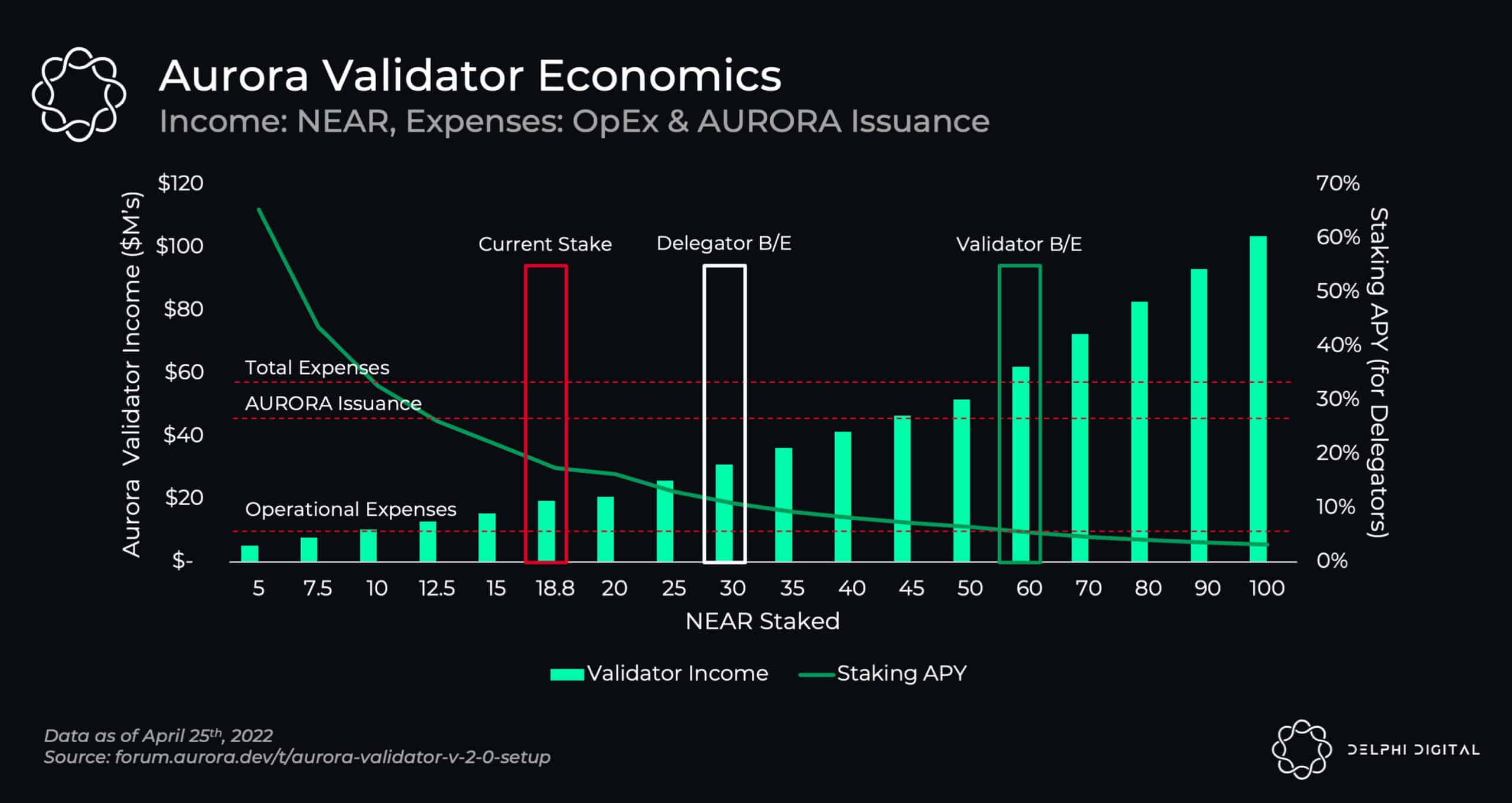
This architecture removes the traditional trade-off between decentralization and performance. Because the virtual chains are just contracts on NEAR, they benefit from NEAR’s proof-of-stake security and rapid finality. Developers don’t need to worry about sequencer centralization or bridge security in the same way they might with traditional rollups. The infrastructure is built to scale horizontally, meaning as NEAR grows, so does the capacity for every virtual chain running on it.
Essential tools for building on Aurora
Developing on Aurora means leveraging the EVM ecosystem while tapping into NEAR's high-speed infrastructure. The right toolkit determines how easily you can deploy, monitor, and scale your virtual chains. Below are the primary providers and tools that streamline this process.
Aurora Cloud
Aurora Cloud is the official infrastructure layer for launching production-ready virtual chains. Instead of managing complex node setups, developers use this platform to deploy EVM-compatible chains that inherit NEAR's full security and scalability. It is the most direct path for teams wanting to spin up dedicated environments without reinventing the underlying blockchain mechanics.
QuickNode
QuickNode offers a managed node infrastructure that integrates directly with Aurora. For developers who need reliable RPC endpoints without the overhead of self-hosting, QuickNode provides the connectivity layer required to interact with the Aurora network. Their developer tools simplify the process of connecting frontend applications to the blockchain, ensuring stable performance during high-traffic events.
Comparison of Infrastructure Providers
Choosing between managed node services and dedicated chain deployment depends on your project's scale and control requirements. The following table highlights the primary differences between the key infrastructure options available to Aurora developers.
| Provider | Service Type | Best For |
|---|---|---|
| Aurora Cloud | Chain Deployment | Launching dedicated virtual chains |
| QuickNode | Managed Nodes | Connecting dApps to Aurora RPCs |
Aurora Ecosystem Growth and Strategic Position
Aurora has evolved from a simple bridge into a distinct Layer 2 solution that offers Ethereum Virtual Machine (EVM) compatibility on the NEAR Protocol. This architecture allows developers to deploy smart contracts that run as "virtual chains" on NEAR, combining Ethereum's developer familiarity with NEAR's high throughput and low fees. For users, this means faster transaction finality and significantly lower costs compared to the Ethereum mainnet, making it a practical choice for applications requiring high transaction volumes.
The platform's strategic value lies in its ability to serve as a bridge between two major ecosystems. By operating within the NEAR ecosystem, Aurora leverages NEAR's sharded infrastructure to scale horizontally. This positions Aurora not just as an alternative, but as a complementary layer that extends Ethereum's reach. Developers can use familiar Solidity tools while benefiting from NEAR's account model and user experience, such as simple wallet logins and gas sponsorship.
As adoption grows, the ecosystem is expanding beyond simple transfers. Projects are building decentralized exchanges, lending protocols, and gaming applications that rely on Aurora's speed. The focus remains on providing a seamless experience for both builders and end-users, ensuring that the underlying infrastructure supports real-world usage rather than just theoretical scalability.


As an Amazon Associate, we may earn from qualifying purchases.
Building your first Aurora virtual chain
Aurora allows developers to launch their own EVM-compatible blockchain on top of NEAR Protocol without the heavy lifting of managing consensus or networking layers. Think of it as renting a fully furnished house instead of building one from the ground up. You get the security and scalability of NEAR, but with the familiar Ethereum development experience you already know.
The process is streamlined through Aurora Cloud, which handles the infrastructure complexity so you can focus on your application logic. Here is how you go from idea to a live virtual chain.
Start by installing the necessary SDKs and configuring your local environment. Aurora supports standard Ethereum tooling like Hardhat and Foundry, meaning your existing workflows and smart contracts can often be deployed with minimal changes. This familiarity reduces the learning curve significantly.
Use the Aurora Cloud dashboard to define your chain’s specifications. You can set the gas limit, block time, and other EVM parameters to match your application’s needs. This step is where you tailor the virtual chain to your specific use case, whether it’s high-frequency trading or a consumer-facing dApp.
Before going live, deploy your chain to a staging environment. This sandboxed space allows you to test your smart contracts and infrastructure integrations without risking real assets. It’s a critical step to ensure your application behaves as expected under real-world conditions.
Once testing is complete, promote your configuration to production with a single click. Aurora Cloud provisions the necessary nodes and infrastructure automatically. Your virtual chain is now live on NEAR, inheriting its robust security and low transaction costs immediately.
By leveraging Aurora’s infrastructure, you bypass the traditional bottlenecks of blockchain development. The result is a faster time-to-market and a more cost-effective path to launching a scalable, Ethereum-compatible application.
No comments yet. Be the first to share your thoughts!