Aurora EVM Analysis
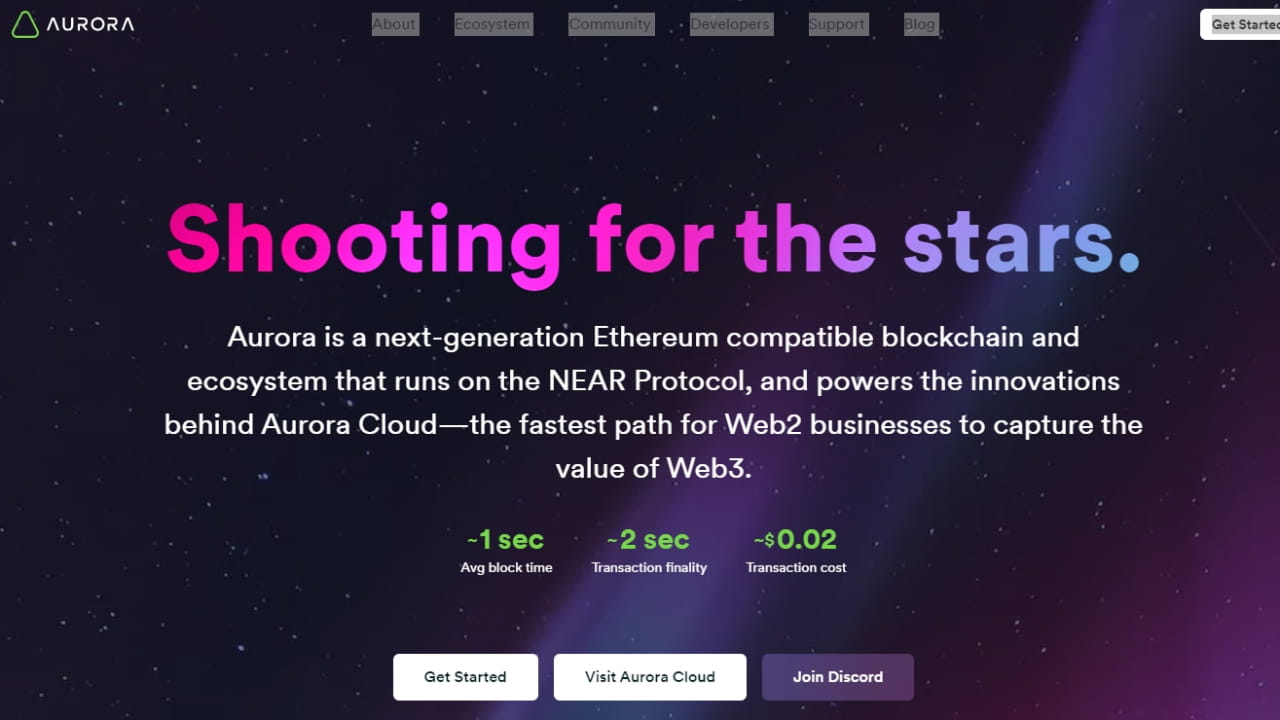
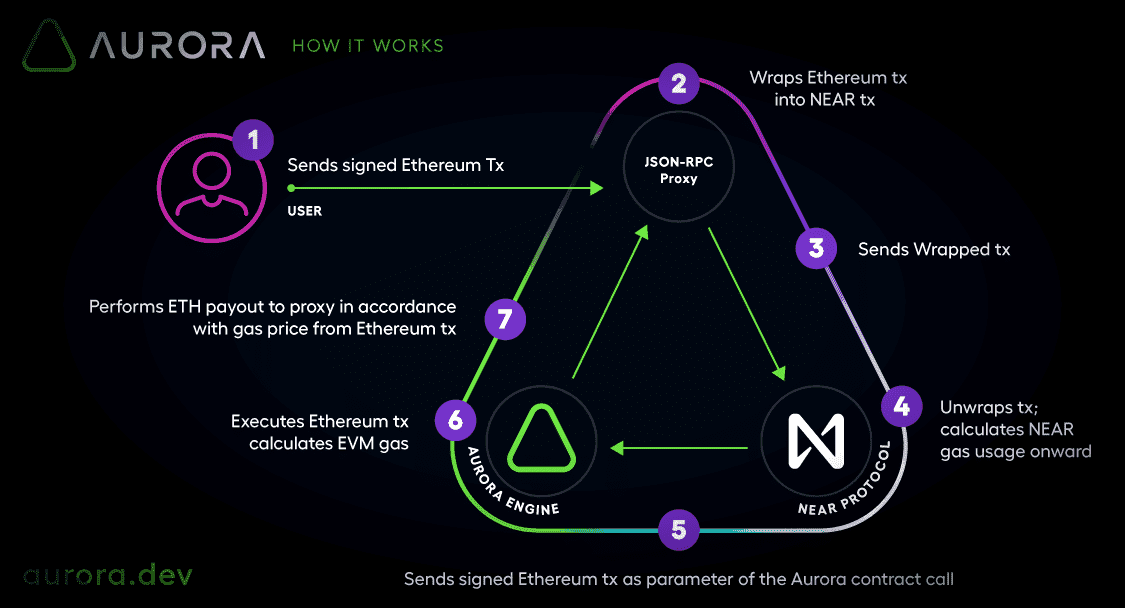
Aurora operates as a Virtual Chain, bridging the Ethereum Virtual Machine (EVM) with the NEAR Protocol. This architecture allows developers to deploy Solidity smart contracts that benefit from NEAR’s sharded infrastructure while maintaining full compatibility with standard Ethereum tooling and wallets. For Web3 developers, this means you can leverage the vast Ethereum ecosystem without sacrificing transaction speed or cost efficiency.
The core value proposition lies in its ability to decentralize product deployment. By utilizing Aurora, teams can quickly establish a dynamic, EVM-compatible environment. This setup fosters a community-driven network where dApps can scale horizontally. The platform supports the migration of ERC-20 tokens and assets via the Rainbow Bridge, making it a practical choice for projects seeking to reduce gas fees without rebuilding their codebase from scratch.
When evaluating Aurora for 2026, focus on its infrastructure upgrades rather than short-term price speculation. The network’s long-term viability depends on its adoption by developers who prioritize EVM compatibility alongside high throughput. As the ecosystem matures, the distinction between Aurora as a mere bridge and its role as a foundational layer for scalable dApps will become clearer.
Aurora evm analysis choices that change the plan
Use this section to make the Aurora EVM Analysis decision easier to compare in real life, not just on paper. Start with the reader's actual constraint, then separate must-have requirements from details that are merely nice to have. A practical choice should survive normal use, maintenance, timing, and budget. If a recommendation only works in an ideal situation, call that out plainly and give the reader a fallback path.
| Factor | What to check | Why it matters |
|---|---|---|
| Fit | Match the option to the primary use case. | A good deal still fails if it does not fit the job. |
| Condition | Verify age, wear, and service history. | Hidden condition issues erase upfront savings. |
| Cost | Compare purchase price with likely upkeep. | The cheapest option is not always the lowest-cost option. |
Choose the next step for your Aurora EVM analysis
Turning raw infrastructure data into a decision requires a structured workflow. This framework guides you from initial setup through technical validation and final deployment, ensuring you leverage Aurora’s EVM compatibility without bypassing critical security or performance checks.
Begin by installing the Aurora SDK and configuring your local node to connect to the NEAR mainnet or testnet. Verify that your Ethereum-compatible tooling, such as Hardhat or Foundry, recognizes the Aurora RPC endpoint. This step establishes the foundation for all subsequent testing and deployment activities.
Run your Solidity contracts through the Aurora compatibility layer to identify any deviations from standard EVM behavior. Focus on gas estimation, state management, and NEAR-specific storage optimizations. Addressing these discrepancies early prevents costly refactoring during the mainnet deployment phase.
Validate the Rainbow Bridge integration by transferring ERC-20 tokens between Ethereum and Aurora. Monitor transaction finality times and bridge fees to ensure they align with your application’s user experience requirements. This verification is critical for any dApp relying on multi-chain liquidity.

Execute load tests to measure transaction throughput and gas efficiency on the Aurora network. Compare these metrics against your baseline Ethereum or L2 expectations to quantify the infrastructure upgrades. Use this data to justify the architectural shift to stakeholders and optimize your contract logic for cost efficiency.

Move your verified contracts to the mainnet and integrate real-time monitoring tools to track block times and error rates. Establish alerting thresholds for network congestion or bridge anomalies. Continuous observation ensures that the platform’s dynamic nature does not degrade your application’s reliability over time.



As an Amazon Associate, we may earn from qualifying purchases.
Spotting Misleading Claims in Aurora EVM Analysis
Aurora is an EVM-compatible layer-2 built on NEAR Protocol, not a standalone blockchain. This distinction matters because it changes how you evaluate security, finality, and tooling. When you see claims that Aurora is "undervalued" or will "reach $1," treat them as speculative price targets, not fundamental analysis. The Aurora coin price prediction can range widely throughout 2025, from $0.10 in the worst-case scenario to over $1.00 in a strong bull market, depending on broader market conditions, not just Aurora's internal upgrades.
Another common mistake is confusing Aurora the blockchain with Aurora the energy forecasting software. The software is an industry-standard tool for assessing wind and solar generation impact. It has nothing to do with Web3 development. If you are looking for infrastructure upgrades for dApps, ignore the energy sector references. Aurora in the NFT world refers to the platform that helps Ethereum users and dApps migrate to NEAR, allowing them to upload and interact with Solidity smart contracts and transfer assets via the Rainbow Bridge.
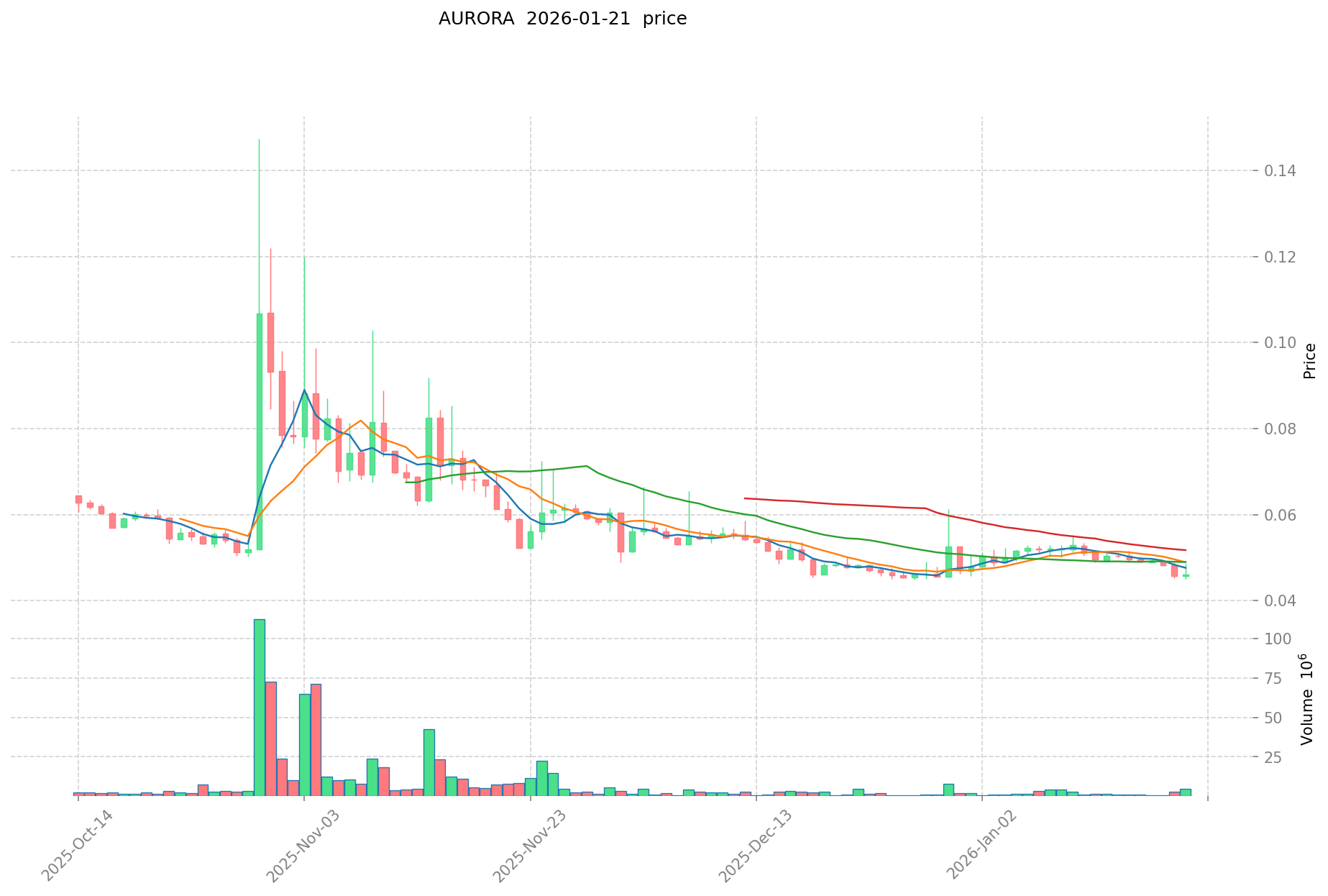
When evaluating Aurora as a long-term investment or development platform, focus on its actual utility: low-cost EVM execution and interoperability with NEAR. Avoid articles that conflate these distinct use cases or offer generic "top 10" lists without technical depth. Instead, look for concrete data on transaction throughput, bridge security audits, and developer adoption metrics. Use the TechnicalChart below to track Aurora's price action against Ethereum, keeping in mind that price movements are often driven by broader crypto market trends rather than specific protocol upgrades.
Aurora evm analysis: what to check next
Developers and investors often weigh Aurora’s position against its NEAR ecosystem roots. The following answers address the most common practical objections regarding valuation, price targets, and utility.
No comments yet. Be the first to share your thoughts!