Aurora EVM 2026 infrastructure overview
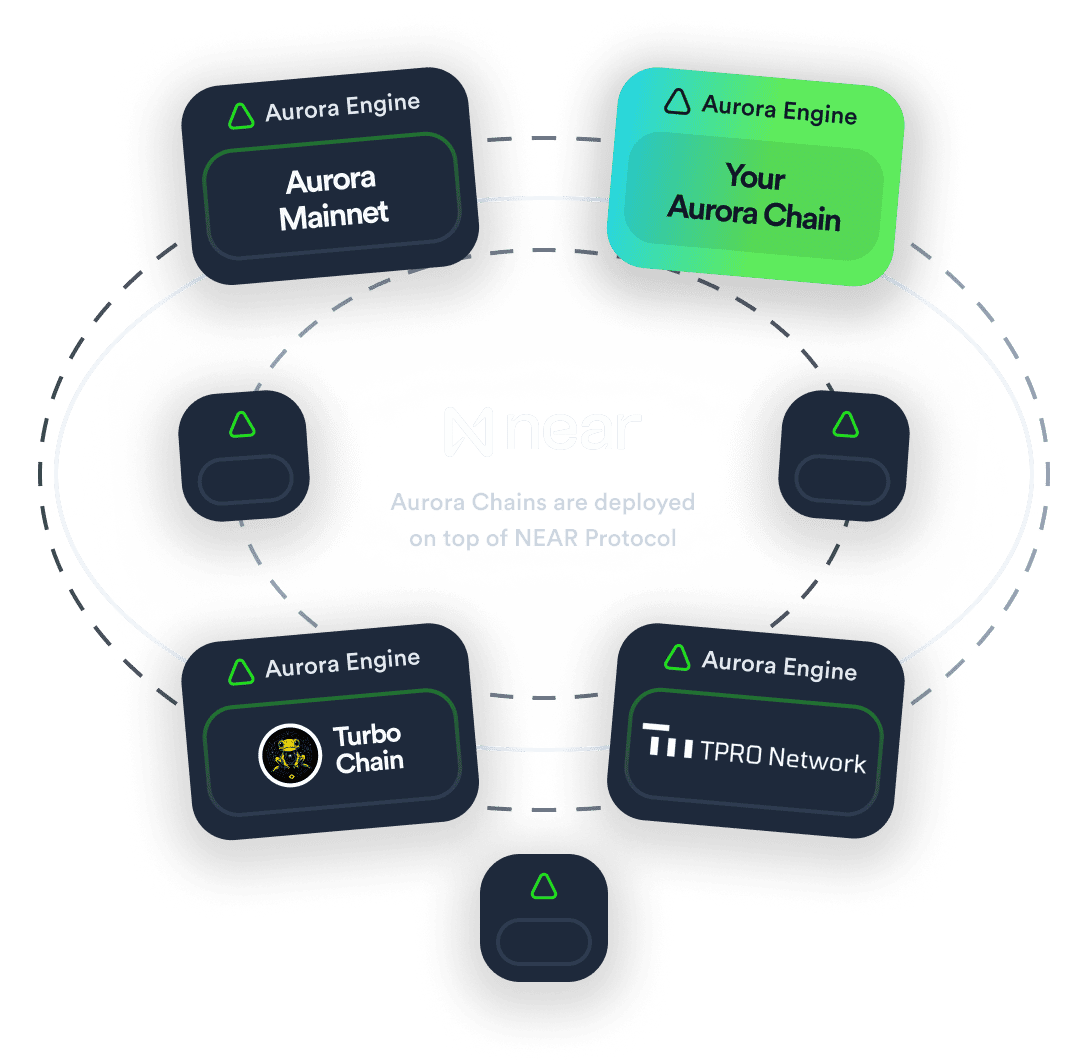
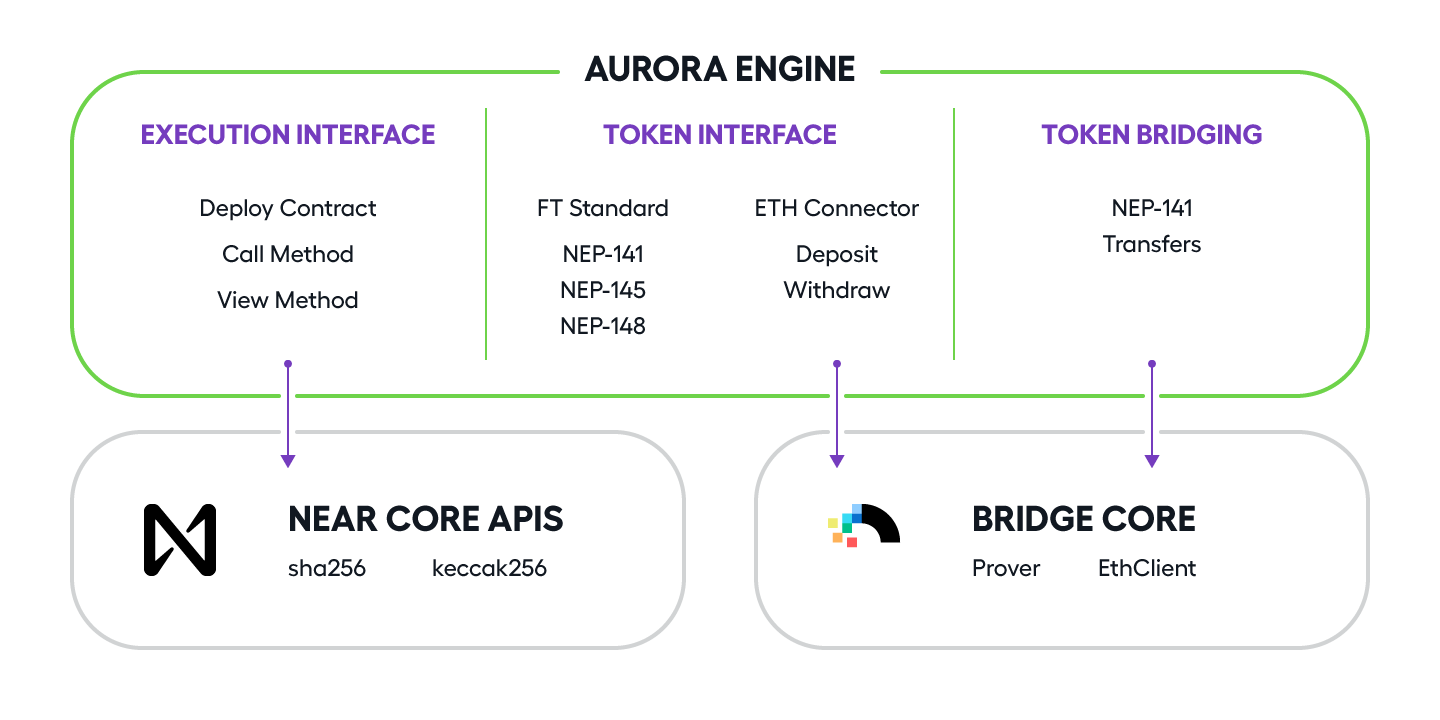
Aurora has evolved from a single EVM layer into the foundational infrastructure for NEAR’s "Virtual Chains" strategy. Rather than relying on a monolithic blockchain, Aurora now enables developers to spin up fully customizable, EVM-compatible chains that run as smart contracts directly on NEAR. This architecture shifts the burden of scalability from the base layer to individual application chains, offering a more flexible approach to decentralized infrastructure.
The core innovation lies in how these Virtual Chains operate. They inherit NEAR’s high throughput and low transaction costs while maintaining full EVM compatibility. This means existing Ethereum tooling, wallets, and smart contracts can be deployed with minimal modification. For developers, this translates to the ability to isolate application logic and scale independently without congesting the broader network.
This modular infrastructure supports a growing ecosystem of specialized chains, each tailored to specific use cases like gaming, DeFi, or enterprise solutions. By decoupling application scalability from the base settlement layer, Aurora positions itself as a versatile backbone for the next generation of Web3 applications, prioritizing developer choice and network efficiency over rigid, one-size-fits-all scaling.
Virtual chains and developer tools
Aurora’s core value proposition for developers in 2026 is the ability to spin up dedicated Virtual Chains. These are fully customizable, EVM-compatible chains that run directly as smart contracts on the NEAR Protocol. Instead of fighting for block space on a congested mainnet, you deploy isolated environments that offer the scalability and speed needed for high-throughput applications.
This architecture allows you to tailor gas fees, finality, and state pruning to your specific use case. Whether you are building a gaming platform requiring instant transactions or a DeFi protocol needing predictable costs, Virtual Chains provide the infrastructure to support it without compromising on Ethereum compatibility. You get the security of NEAR with the flexibility of a dedicated L2.
The developer experience is streamlined through Aurora’s SDK and tooling, which abstracts the complexity of managing cross-chain communication. You can deploy standard Solidity contracts and interact with them using familiar wallets and RPC endpoints. This lowers the barrier to entry, allowing teams to focus on product logic rather than infrastructure maintenance.
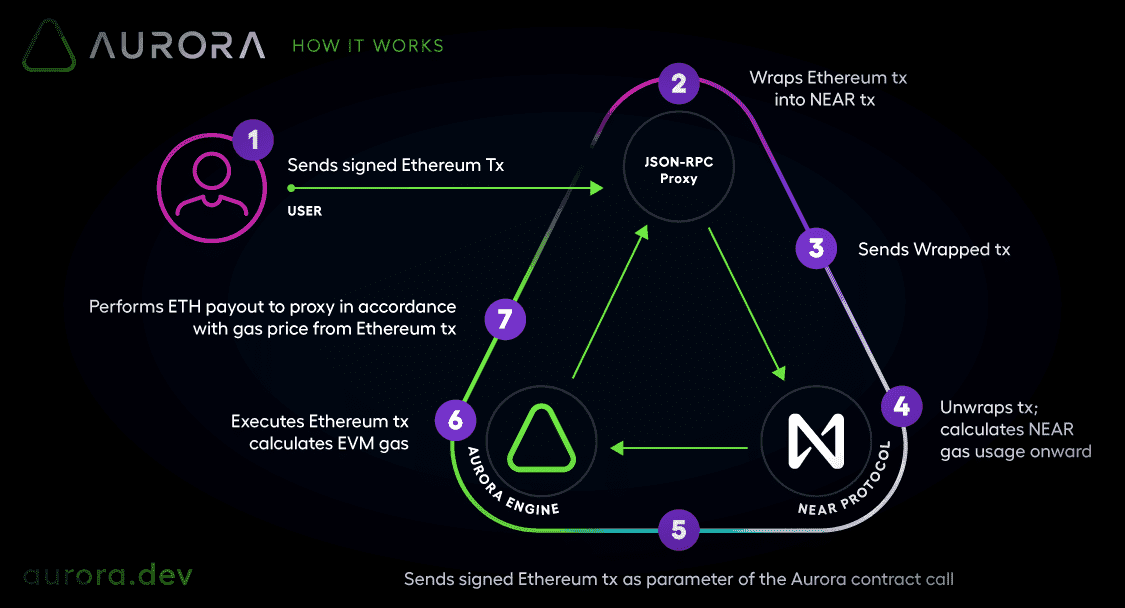
To understand how these Virtual Chains stack up against other Layer 2 solutions, consider the trade-offs in finality and cost. The following comparison highlights the structural differences between Aurora’s approach and standard L2 deployments.
| Metric | Aurora Virtual Chain | Standard L2 |
|---|---|---|
| Deployment | Smart contract on NEAR | Rollup on Ethereum L1 |
| Finality | NEAR Block Finality (~1s) | Ethereum Block Finality (~12-32s) |
| Customization | High (Gas, State, Pruning) | Low (Shared Security Model) |
| Cost Efficiency | Low (NEAR Gas Fees) | Variable (L1 Data Availability) |
Market performance and price drivers
Aurora’s market valuation in 2026 is heavily influenced by its position as a leading infrastructure layer for the "Virtual Chains" narrative. Unlike standalone L1s that compete for blockspace, Aurora provides EVM-compatible chains that run as smart contracts on NEAR, offering developers a unique scalability proposition. This structural difference often creates a distinct correlation pattern with NEAR Protocol, though Aurora’s specific tokenomics and ecosystem growth drive its independent price action.
The following widget provides a live view of the AURORA token price, reflecting real-time market sentiment and trading volume.
Price movements for Aurora are rarely isolated; they typically respond to broader Ethereum ecosystem trends, NEAR’s network performance, and specific announcements regarding Virtual Chain deployments. When major dApps or gaming platforms launch on Aurora’s custom chains, the resulting demand for blockspace and transaction fees can provide upward pressure on the token. Conversely, a slowdown in new Virtual Chain integrations often leads to consolidation phases.
Beyond price, the broader market sentiment around Aurora is shaped by its technological utility. The ability to spin up fully customizable, EVM-compatible chains without the overhead of a new L1 is a key differentiator. This flexibility attracts developers who need high throughput and low costs, directly impacting the network’s fundamental value. As the "Virtual Chains" concept gains traction in 2026, Aurora’s market performance will likely remain tied to its adoption rate among enterprise and consumer-facing applications seeking scalable EVM infrastructure.
Strategic considerations for 2026
Evaluating Aurora EVM requires looking past the hype to the underlying architecture. The network’s core differentiator is its ability to deploy "Virtual Chains"—fully customizable, EVM-compatible environments running as smart contracts on NEAR. This structure offers developers distinct scalability and speed advantages over standard single-chain deployments. For investors, this translates to a platform that prioritizes infrastructure utility over speculative token mechanics.
Before committing resources, use this checklist to evaluate Aurora’s position in the broader Web3 landscape.
Assess whether projects on Aurora are leveraging Virtual Chains for specific scalability needs or just using the base EVM layer. Real adoption is signaled by developers deploying custom chain logic, not just standard dApp deployments. Check the Aurora official site for case studies on custom chain implementations.
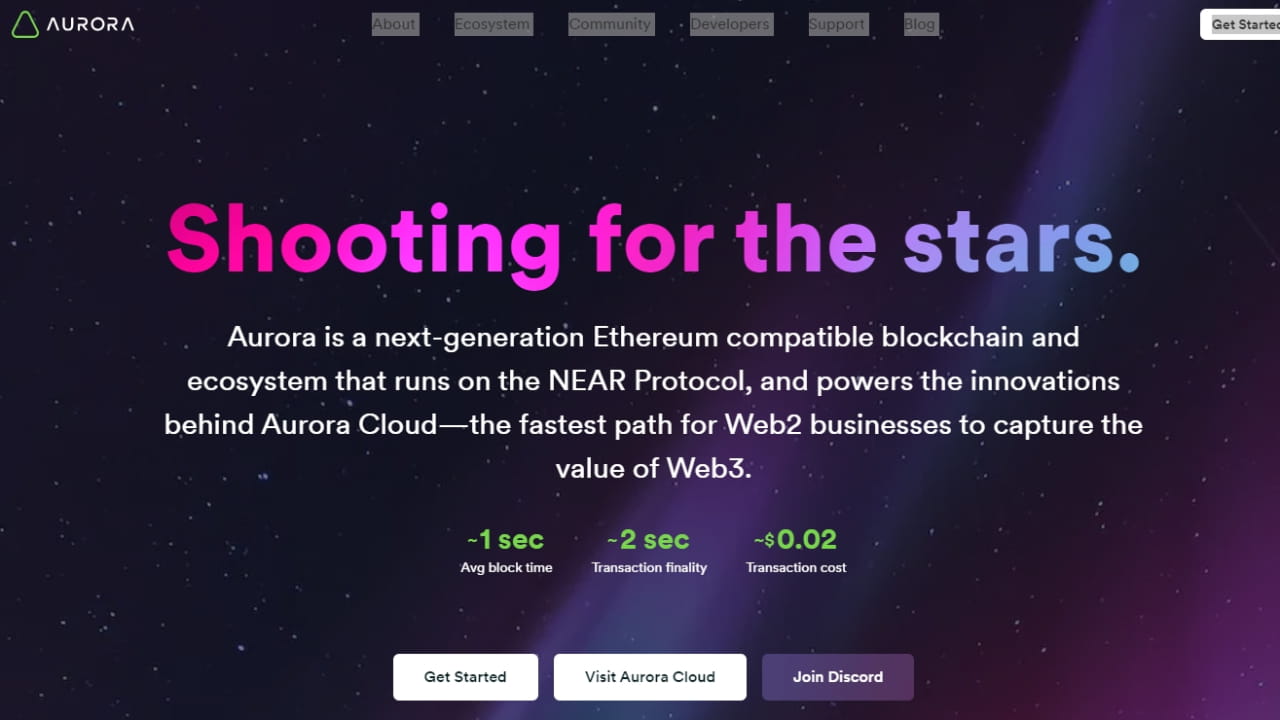
Track activity on the auroraisnear GitHub repository. Consistent commits, updated documentation, and active issue resolution indicate a healthy, maintained protocol. Look for recent updates on Virtual Chain tooling and NEAR integration improvements.
Use live widgets to monitor real-time price action and technical trends. Avoid static price predictions which often lack context. Below is the current market data for Aurora (AURORA) to help you gauge market sentiment.
Identify strategic integrations with other NEAR ecosystem projects or external Web3 infrastructures. Strong partnerships often precede significant network growth. Check recent Aurora Weekly Updates for announcements on new developer grants or enterprise collaborations.
Review the total supply, circulating supply, and vesting schedules. Understand how Virtual Chain fees are distributed and whether the token captures value from the infrastructure layer. A clear utility model reduces long-term risk.
Recommended infrastructure tools
Building on the Aurora EVM means selecting software that respects its unique architecture. Unlike standard EVM chains, Aurora operates as a "Virtual Chain" on NEAR, which changes how you interact with the network. Your tooling needs to handle this abstraction without adding unnecessary latency.
For development, the official Aurora SDK provides the necessary wrappers to manage state across the NEAR-EVM boundary. Pair this with a local testing environment like Hardhat or Foundry, ensuring your plugins are configured for the Aurora RPC endpoint. This setup mirrors standard Ethereum workflows but requires careful attention to block times and finality.
For security, audit firms familiar with NEAR’s shard architecture are essential. General EVM auditors may miss nuances in how Virtual Chains execute transactions. Look for teams that have experience with cross-chain bridges and state proofs.
As an Amazon Associate, we may earn from qualifying purchases.
No comments yet. Be the first to share your thoughts!