Why Aurora EVM matters now
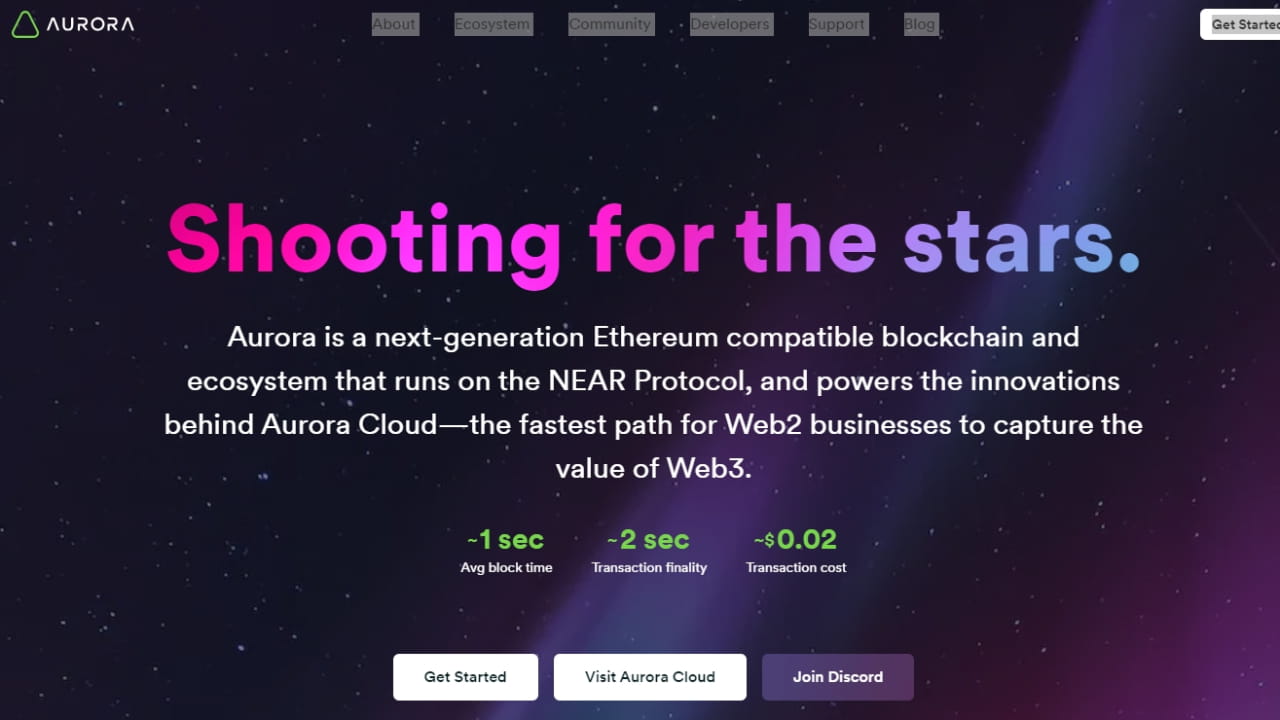
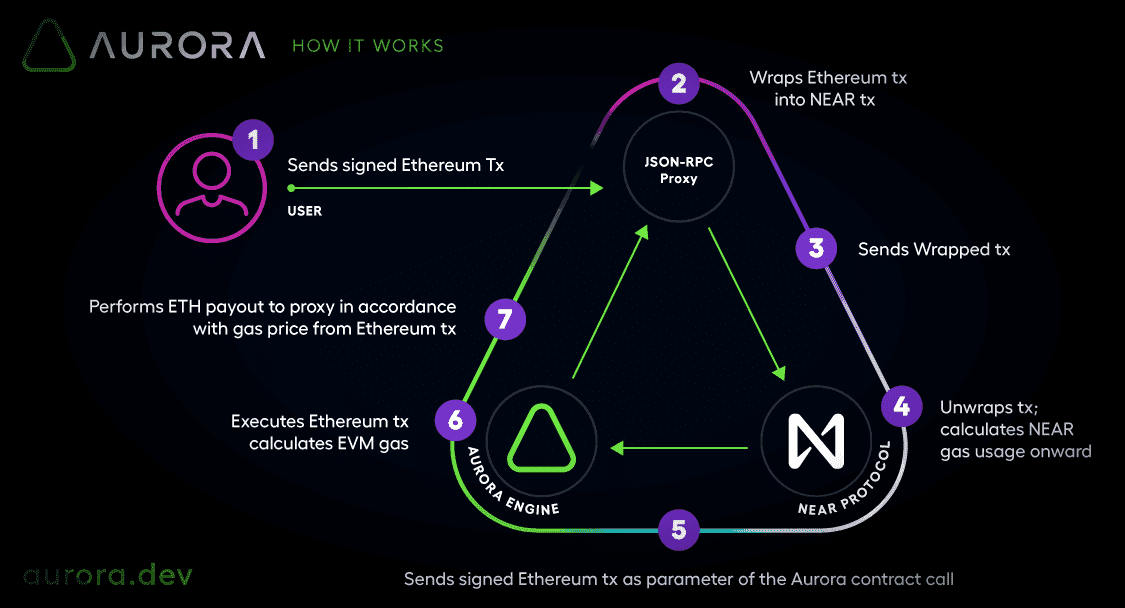
Aurora occupies a specific niche in the 2026 blockchain landscape: it is an Ethereum Virtual Machine (EVM) that runs natively on the NEAR Protocol. This architecture allows developers to deploy standard Ethereum smart contracts without the gas fees or congestion typical of Layer 1 Ethereum, while leveraging NEAR’s high throughput and sharded infrastructure. For builders, this means the ability to scale applications without rewriting code or migrating to entirely new ecosystems.
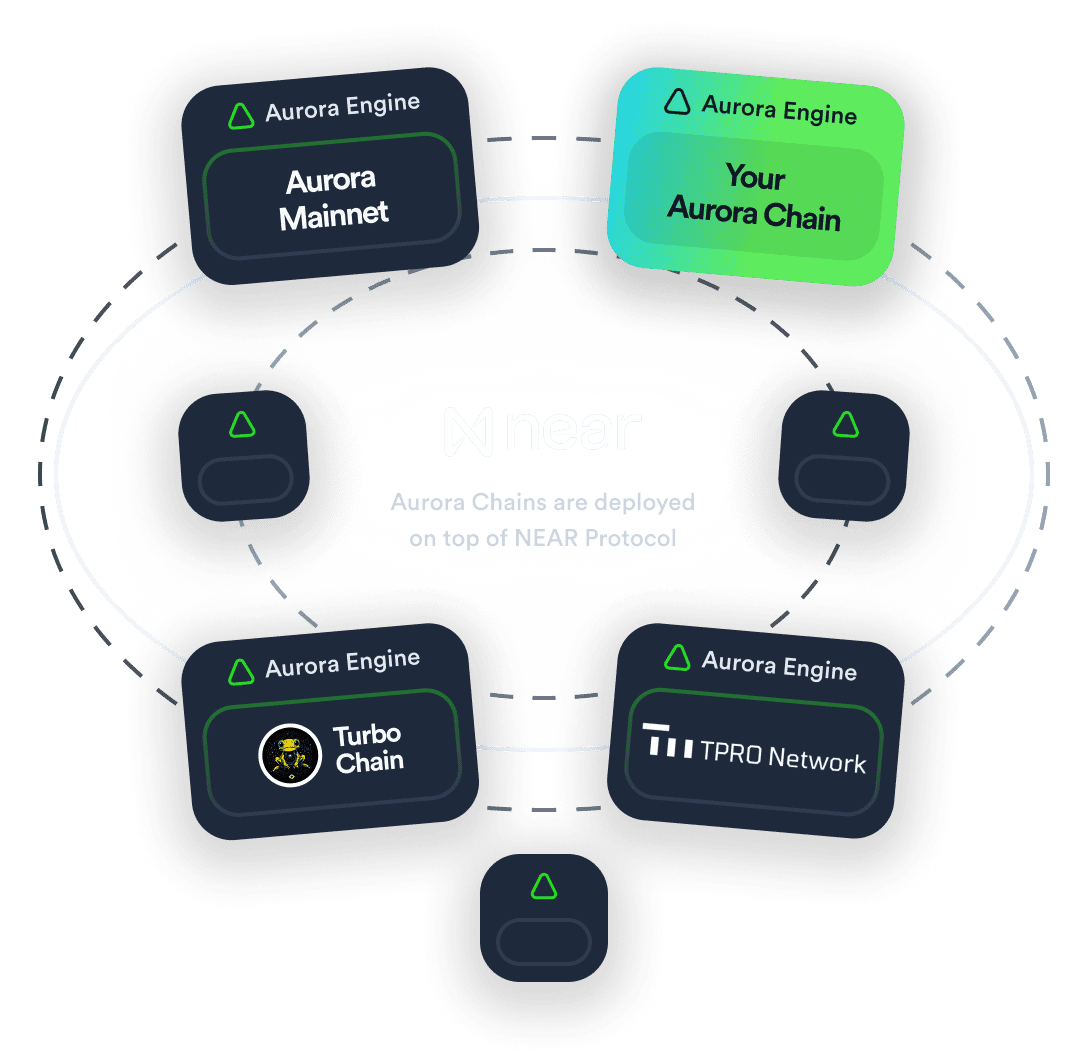
The core value proposition lies in "virtual chains." These are fully customizable EVM-compatible chains that operate as smart contracts on NEAR. This approach offers a middle ground between the security of a mainnet and the flexibility of a sidechain. Developers can spin up dedicated chains for specific use cases, gaining the speed and scalability needed for consumer-grade applications while maintaining compatibility with the broader Ethereum tooling ecosystem.
It is important to distinguish Aurora (the blockchain) from Aurora Energy Research, a separate entity focused on power analytics. In market research, clarity on this distinction prevents confusion when analyzing data or tracking adoption metrics. As the EVM landscape evolves, Aurora’s position as a high-performance, Ethereum-compatible layer on NEAR makes it a relevant subject for understanding how scalability and compatibility intersect in 2026.
Tracking infrastructure upgrades
Aurora’s evolution from a standard EVM deployment to the "Network of Virtual Chains" marks a fundamental shift in how Ethereum-compatible logic runs on NEAR. This transition moves the protocol beyond simple compatibility, focusing instead on modular scalability and developer flexibility. By running as a smart contract on the NEAR blockchain, Aurora leverages NEAR’s sharding capabilities while maintaining full EVM equivalence.
The core of this upgrade is the Virtual Chain architecture. Instead of a single monolithic chain, Aurora now allows developers to spin up fully customizable, EVM-compatible chains as smart contracts. These Virtual Chains inherit NEAR’s security and speed but offer independent configuration for gas, throughput, and state. This structure solves the scalability bottleneck that plagues traditional L1s, allowing each application to operate on its own optimized chain rather than competing for block space on a shared network.
For builders, this means a significant improvement in developer experience. You can deploy a Virtual Chain tailored to specific throughput needs without waiting for global protocol upgrades. The infrastructure supports high-frequency trading, gaming, and high-throughput dApps by isolating their load from the rest of the ecosystem. This modularity ensures that Aurora remains a viable, high-performance layer for Ethereum applications as demand scales.
The market’s reaction to these technical milestones often reflects the underlying infrastructure’s utility. As Virtual Chains gain traction, the value accrual mechanism shifts from pure speculation to network usage metrics. Monitoring the price action alongside developer activity provides a clearer picture of Aurora’s long-term viability compared to other EVM-compatible solutions.
Essential tools for builders
Building on Aurora means working within the EVM ecosystem while leveraging NEAR’s underlying performance. The tooling landscape is mature enough for production deployment, but choosing the right SDKs and infrastructure providers matters for latency and cost efficiency.
| Tool | Type | Key Features | Ease of Use |
|---|---|---|---|
| Aurora SDK | Development Kit | Native EVM integration, NEAR account abstraction support | High |
| Aurora Explorer | Block Explorer | Transaction tracking, smart contract verification, token transfers | High |
| Mint.fun | Deployment Tool | Zero-code token creation, immediate liquidity provision | Very High |
| NEAR Wallet | Wallet | Aurora account bridging, dApp authentication, token storage | Medium |
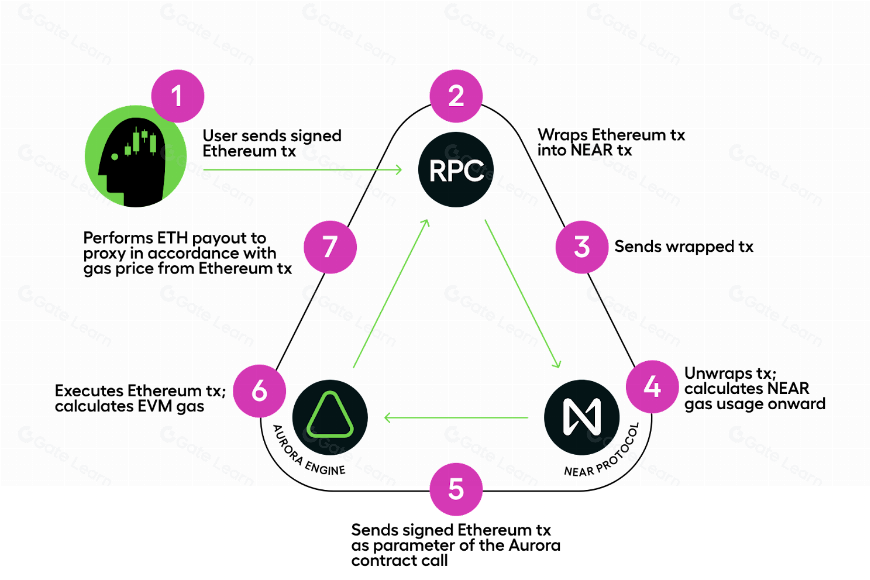
The official Aurora SDK provides the most direct path for integrating smart contracts. It handles the complexity of mapping Ethereum addresses to NEAR accounts, allowing developers to write standard Solidity code without worrying about the underlying cross-chain mechanics. This abstraction layer is critical for maintaining compatibility with existing Ethereum tooling like Hardhat and Foundry.
For deployment and testing, Aurora Explorer remains the primary verification tool. It allows builders to confirm contract source code and monitor transaction states in real time. While third-party explorers exist, the official explorer offers the most accurate data regarding gas usage and block finality specific to Aurora’s virtual chain architecture.
Analyzing market signals
Before you commit capital or infrastructure to Aurora, you need to separate signal from noise. The market is currently reacting to technical breakouts and partnership announcements, but interpreting these moves requires a clear framework. You are looking for data that proves adoption, not just hype.
The most immediate hurdle is data clarity. You must distinguish between Aurora (the EVM-compatible blockchain on NEAR) and Aurora Energy Research, the Oxford-founded power analytics firm. Confusing the two leads to flawed analysis. The crypto Aurora is driven by developer activity and transaction volume, while the energy firm deals with grid infrastructure. Keep your data sources specific to the blockchain protocol.
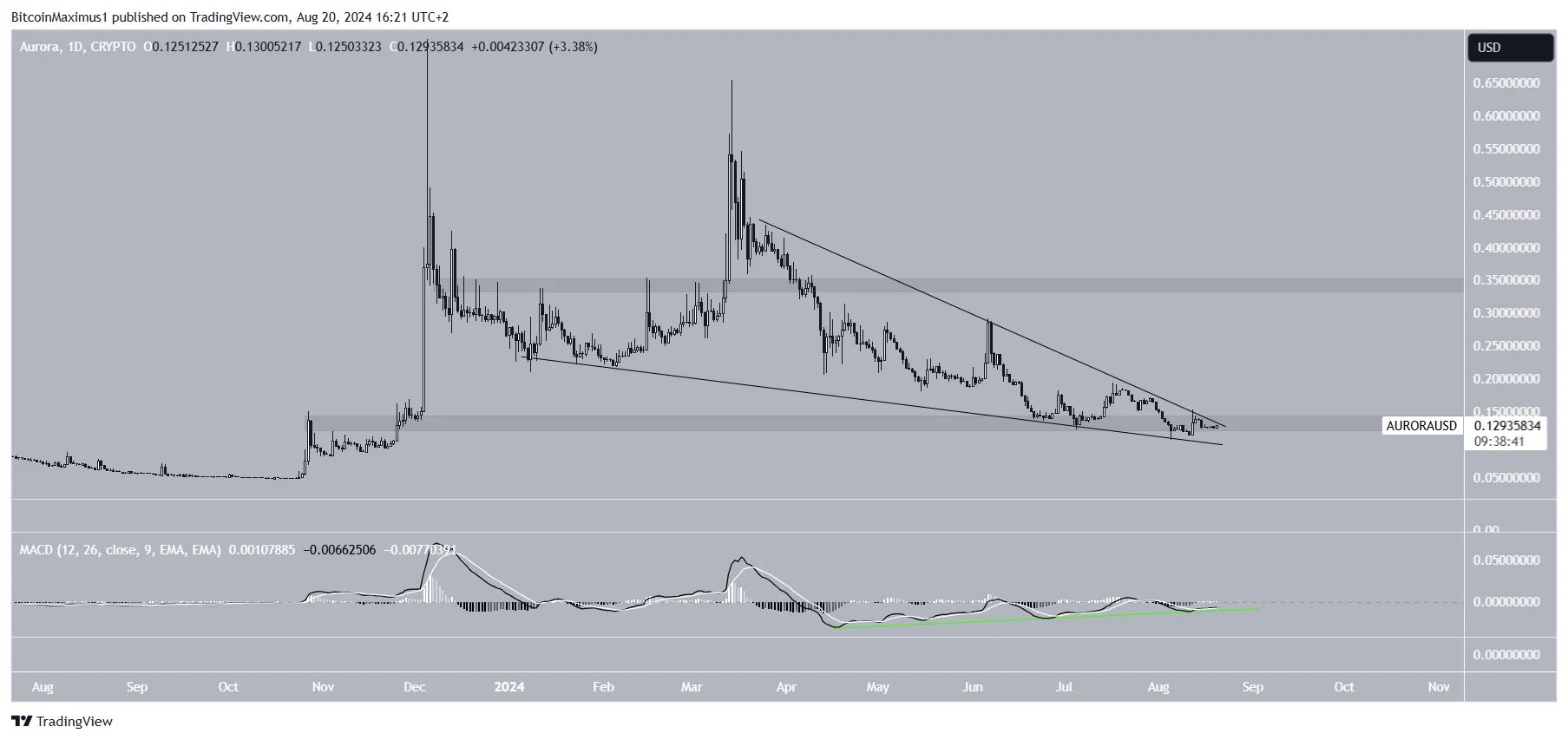
When evaluating the current market, focus on volume trends and community growth. Recent price movements, such as the recent 0.73% gain, are often secondary to the underlying on-chain activity. Look for sustained increases in daily active addresses and gas usage. These metrics indicate that the network is being used, not just traded.
Partner announcements and technical upgrades are the primary drivers of volume spikes. However, treat these as catalysts, not guarantees. The real signal is whether these events lead to lasting developer retention and capital efficiency. As noted by industry observers, the broader market faces a significant idle capital gap; Aurora’s value proposition hinges on solving that inefficiency for Ethereum-compatible applications.
Use the chart above to correlate volume with price action. A healthy market signal shows volume increasing alongside price breaks, indicating genuine buyer interest rather than short-term speculation. If volume remains flat during price surges, the move is likely unsustainable.
Strategic research checklist
Before deploying capital or code into the Aurora ecosystem, verify your assumptions against primary infrastructure data. Distinguish Aurora (the NEAR Protocol EVM) from unrelated energy research firms to avoid sourcing errors. This checklist ensures you are aligned with official documentation and current on-chain metrics.
Start at aurora.dev to confirm the current state of Virtual Chains. Avoid third-party summaries that may lag behind protocol upgrades. Cross-reference any technical claims with the official NEAR ecosystem documentation to ensure compatibility.
Review the AURORA token distribution and vesting schedules. Check for any upcoming unlocks that could impact liquidity. Use official explorer data rather than aggregated price sites to verify circulating supply versus total supply.
Examine GitHub repositories for commit frequency and issue resolution times. High activity on the core Aurora EVM contracts is a stronger signal of health than social media hype. Look for active integration with NEAR’s sharding technology.
Track daily active addresses and transaction volume on Aurora. Compare these figures against other EVM-compatible chains to gauge relative adoption. Sudden spikes in volume should be investigated for potential airdrop farming or bot activity.
Ensure all smart contracts you interact with have been audited by reputable firms. Check the audit reports for any unresolved critical vulnerabilities. Never deploy to mainnet without verifying the audit status of the specific contract version.
Common questions about Aurora
The Aurora (AURORA) token is currently trading at approximately £0.018, reflecting a modest 0.73% gain over the last 24 hours. While short-term volatility is typical for EVM scaling solutions, the token’s utility is tied to its role in reducing gas fees and enabling seamless Ethereum compatibility on the NEAR blockchain.
Is Aurora Coin a good investment?
Aurora’s long-term viability depends on ecosystem adoption rather than speculative hype. As an Ethereum-compatible layer-2, it offers developers a familiar environment with NEAR’s sharding infrastructure. However, investors should weigh this technical advantage against broader market conditions and the project’s ability to sustain developer activity.
What is Aurora Research?
It is important to distinguish Aurora (the crypto project) from Aurora Energy Research. The latter is an Oxford-founded analytics firm providing power market intelligence to European utilities. They share no affiliation with the NEAR Protocol’s Aurora EVM.
Helpful gear
Use these product recommendations as a starting point, then choose the size, material, and price point that fit how you actually use the gear.


As an Amazon Associate, we may earn from qualifying purchases.
No comments yet. Be the first to share your thoughts!