Aurora EVM Infrastructure Overview
Aurora operates as a Layer 2 solution on the NEAR Protocol, designed to bridge the gap between NEAR’s high-speed execution and the Ethereum ecosystem. At its core, Aurora is a fully EVM-compatible network, meaning it runs the Ethereum Virtual Machine directly on NEAR’s sharded infrastructure. This architecture allows developers to deploy existing Ethereum smart contracts and dApps on Aurora without rewriting code or changing their development environment.
The technical foundation relies on a pure Rust implementation of the EVM, which prioritizes security and efficiency. By integrating directly into the NEAR blockchain, Aurora leverages NEAR’s Nightshade sharding to process transactions in seconds rather than minutes. This removes the primary bottleneck of Ethereum mainnet—congestion—while maintaining compatibility with the tools Ethereum developers already use, such as Hardhat and Foundry.
For users and developers, this means Aurora functions as a familiar Ethereum environment but with significantly lower fees and faster finality. The network acts as a bridge, allowing assets and data to move between the Ethereum and NEAR ecosystems. This dual compatibility is what defines Aurora’s position in the market: it offers the liquidity and developer maturity of Ethereum with the performance characteristics of a modern Layer 1.
This infrastructure supports a growing ecosystem of decentralized applications, from DeFi protocols to NFT marketplaces. By removing the need for complex bridges or wrappers, Aurora simplifies the user experience. You interact with Aurora as you would with any other EVM chain, but the underlying settlement and security are anchored by NEAR’s robust proof-of-stake consensus.
Aurora Market Performance and Network Metrics
Aurora has established itself as a prominent Layer 2 solution by bridging the Ethereum Virtual Machine (EVM) with the NEAR Protocol. This architecture allows developers to deploy Ethereum-compatible smart contracts while leveraging NEAR's high throughput and low fees. For investors and users, understanding the current market dynamics and network health is essential for evaluating Aurora's position in the evolving crypto landscape.
Live Price Data
The price of Aurora's native token reflects the broader sentiment toward Layer 2 scaling solutions and its specific integration with the NEAR ecosystem. Real-time data provides the most accurate snapshot of market value, volatility, and trading volume.
Technical Analysis
Visualizing price action over time helps identify trends, support levels, and potential entry or exit points. The following chart illustrates recent performance, allowing you to assess momentum and technical indicators relevant to your strategy.
Network Health and Adoption
Beyond price, the health of the Aurora network is measured by transaction volume, active addresses, and total value locked (TVL). As an EVM-compatible chain, Aurora's utility is tied to the growth of its DeFi and NFT ecosystems. A robust network with consistent activity signals strong developer engagement and user adoption, which are critical long-term indicators of success.
Key Takeaways
- Aurora operates as an EVM-compatible Layer 2 on the NEAR Protocol.
- Real-time price widgets and technical charts provide essential market data.
- Network health metrics like TVL and active addresses indicate ecosystem vitality.
Essential developer tools and wallets
Building on Aurora requires bridging your existing Ethereum development workflow to the NEAR ecosystem. Because Aurora is fully EVM-compatible, you can use the same compilers, testing frameworks, and deployment scripts you rely on for Ethereum Mainnet. This compatibility significantly lowers the barrier to entry, allowing developers to port Solidity smart contracts with minimal code changes.
For wallet integration, MetaMask remains the standard interface for interacting with Aurora. You can add Aurora as a custom network by updating your RPC settings, which allows you to manage NEP-141 tokens (wrapped ETH, USDC, DAI) directly. For mobile users, wallets like imToken offer native support for Aurora, enabling seamless transactions without switching applications. This dual support ensures that both desktop developers and mobile users have reliable access to the network.
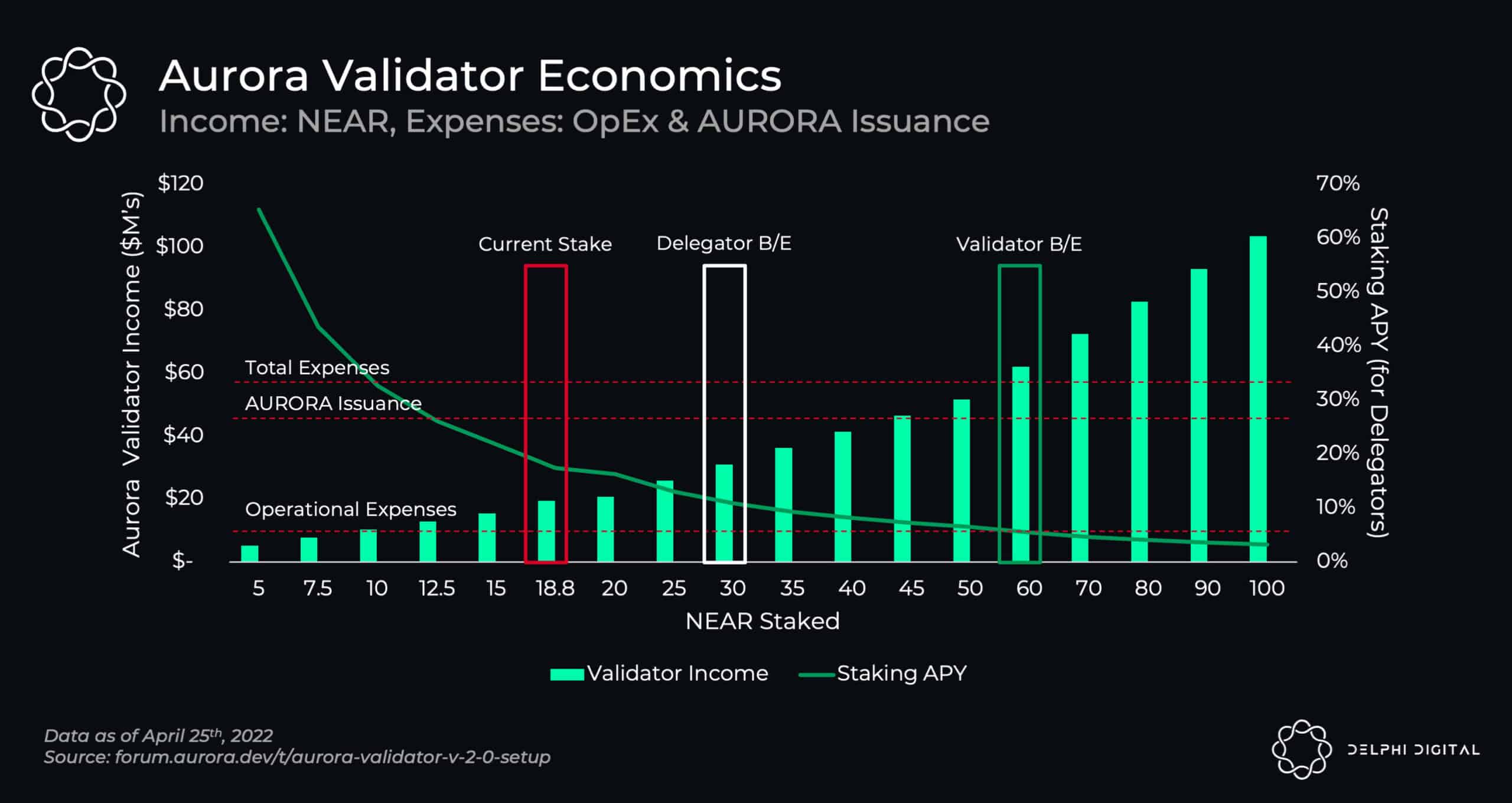
When selecting a development environment, the choice often comes down to whether you prioritize familiarity or performance. Hardhat and Foundry are the most common choices for local testing and deployment, while block explorers like AuroraScan provide the necessary transparency for verifying contracts. The table below compares the primary tools available for building and interacting with Aurora.
| Tool | Type | Key Features | Best For |
|---|---|---|---|
| MetaMask | Wallet | Browser extension, EVM compatible, widely supported | Daily transactions and dApp interaction |
| Hardhat | Development Env | Local testing, debugging, plugin ecosystem | Writing and testing Solidity contracts |
| imToken | Mobile Wallet | Multi-chain support, Aurora native integration | Mobile users managing NEP-141 tokens |
| AuroraScan | Block Explorer | Contract verification, transaction tracking | Verifying deployed code and monitoring activity |
Strategic use cases and ecosystem growth
Aurora occupies a specific niche in the Web3 infrastructure layer by bridging Ethereum’s developer familiarity with NEAR Protocol’s throughput. This hybrid approach allows projects to avoid Ethereum’s congestion while retaining access to the broader Ethereum ecosystem through EVM compatibility. The result is a platform where cost efficiency does not require learning a new programming language or abandoning established tooling.
DeFi and high-frequency applications
The primary driver for Aurora’s adoption is decentralized finance (DeFi) applications that require low latency and minimal transaction fees. Traditional Ethereum mainnet costs can render micro-transactions or high-frequency trading strategies economically unviable. Aurora’s architecture enables these use cases to scale, making it a preferred choice for protocols focused on speed and cost-efficiency. This economic advantage attracts developers building derivatives, lending platforms, and automated market makers that need to process thousands of transactions without the friction of L1 Ethereum gas spikes.
Public goods and charitable funding
Beyond speculative finance, Aurora is gaining traction in the public goods sector. Organizations like Potlock leverage Aurora’s low-cost infrastructure to facilitate micro-donations and recurring funding for open-source projects. The ability to transfer small amounts of value without prohibitive fees makes it possible to support individual contributors and community initiatives that would be impractical on higher-cost chains. This use case highlights Aurora’s role in enabling sustainable funding models for the open-source ecosystem.
Market context and technical performance
Understanding Aurora’s position requires looking at the broader market dynamics of Layer 2 and sidechain solutions. The value of the underlying assets and the network activity directly influence the ecosystem’s growth trajectory. Below is a real-time view of the broader market conditions that impact these infrastructure plays.
Developer evaluation checklist
For teams considering Aurora for their next deployment, the decision should be grounded in specific technical and economic requirements. The following checklist helps evaluate whether Aurora’s infrastructure aligns with your project’s needs:
- EVM Compatibility: Verify that your existing Solidity codebase and tooling (Hardhat, Foundry) integrate seamlessly without significant refactoring.
- Transaction Cost Analysis: Compare gas fees against your target user base’s sensitivity to costs, especially for high-frequency interactions.
- Liquidity Access: Assess the depth of liquidity available on Aurora-based DEXs and bridges to ensure smooth user onboarding and trading.
- Security Model: Understand the shared security model with NEAR and the implications for finality and validator distribution.
- Community Support: Evaluate the availability of documentation, developer forums, and active projects to gauge long-term ecosystem health.
Helpful gear
Use these product recommendations as a starting point, then choose the size, material, and price point that fit how you actually use the gear.

As an Amazon Associate, we may earn from qualifying purchases.
No comments yet. Be the first to share your thoughts!