Aurora EVM 2026 infrastructure overview
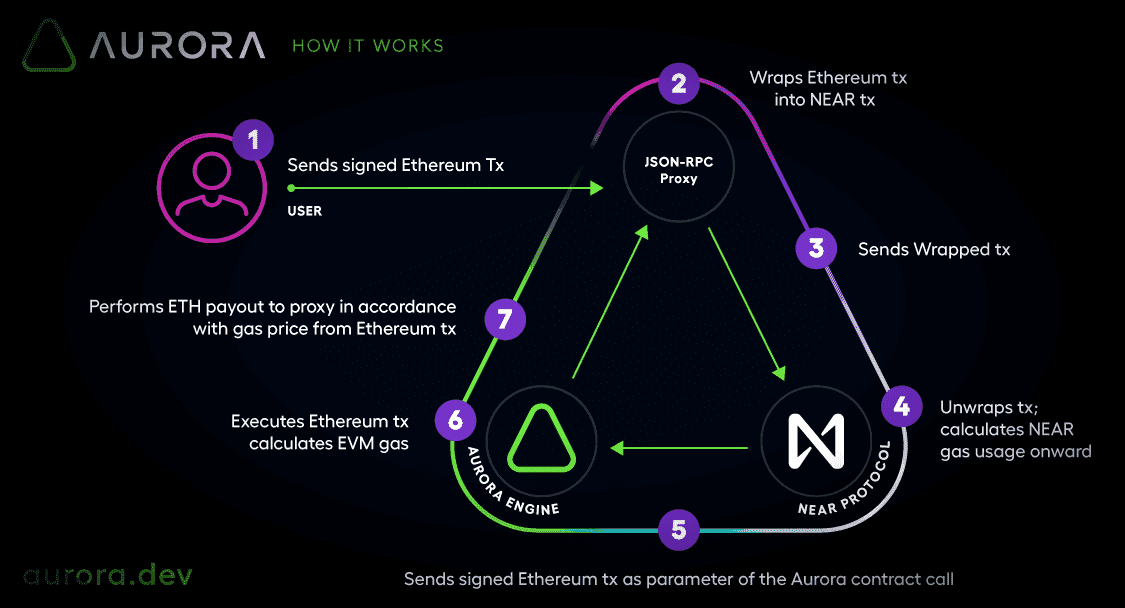
Aurora operates as a high-performance EVM on NEAR, using a "Virtual Chains" architecture to solve scalability without sacrificing Ethereum compatibility. Instead of deploying new physical blockchains, Aurora runs as a smart contract on NEAR. This allows developers to spin up fully customizable, EVM-compatible chains instantly. These virtual chains inherit NEAR’s speed and security, offering the scalability needed for 2026’s demanding applications.
The core infrastructure relies on a pure Rust implementation of the Ethereum Virtual Machine. This design prioritizes security and efficiency, ensuring that Aurora maintains full compatibility with Ethereum tooling while leveraging NEAR’s asynchronous call structure. For developers, this means existing Ethereum smart contracts can be deployed with minimal changes, while benefiting from lower fees and faster finality. The architecture effectively bridges the gap between Ethereum’s ecosystem and NEAR’s performance.
This setup matters for 2026 because it decouples application scaling from base-layer congestion. Projects can deploy their own virtual chains tailored to specific needs, whether for high-frequency trading, gaming, or enterprise data. The result is a network of specialized chains that share security and liquidity, rather than competing for block space on a single congested layer. Aurora’s infrastructure provides the flexibility to scale applications independently while remaining part of a unified, high-performance ecosystem.
Key developer tools in 2026
Aurora’s 2026 strategy centers on reducing friction for builders. The platform offers two primary entry points: the Intents Widget for rapid prototyping and the Aurora Cloud for full-scale deployment. These tools are designed to work together, allowing developers to move from a simple idea to a live, cost-efficient smart contract without navigating complex infrastructure.
Intents Widget
Released in February 2026, the Intents Widget serves as a low-code interface for deploying smart contracts. It abstracts away the underlying complexity of the NEAR Protocol, allowing developers to define intents and parameters directly. This tool is particularly useful for quick iterations or for teams that want to test EVM compatibility without managing node infrastructure. It effectively bridges the gap between standard Ethereum development workflows and Aurora’s high-throughput environment.
Aurora Cloud
For production-grade applications, the Aurora Cloud provides the necessary infrastructure for scaling. It handles the heavy lifting of node management, security, and gas optimization, allowing developers to focus on application logic. Since Aurora uses ETH as its native gas token, deployment costs remain competitive compared to other Layer 2 solutions. The cloud infrastructure ensures that applications can handle high transaction volumes while maintaining the security guarantees of the underlying NEAR Protocol.
Tooling Comparison
The following table compares Aurora’s developer tools against generic Layer 2 solutions, highlighting the differences in cost structure and setup complexity.
| Feature | Aurora | Generic L2 |
|---|---|---|
| Gas Token | ETH | Native Token |
| Setup | Cloud/Widget | Node Management |
| Cost | Low | Variable |
Aurora EVM Market Performance and Price Forecasts
The market for Aurora EVM is currently defined by a mix of active development updates and speculative price projections. While the protocol has established itself as a bridge between NEAR and Ethereum, its token price remains sensitive to broader crypto market cycles and specific project milestones. Investors are watching closely as the team rolls out infrastructure improvements and tooling updates for 2026.
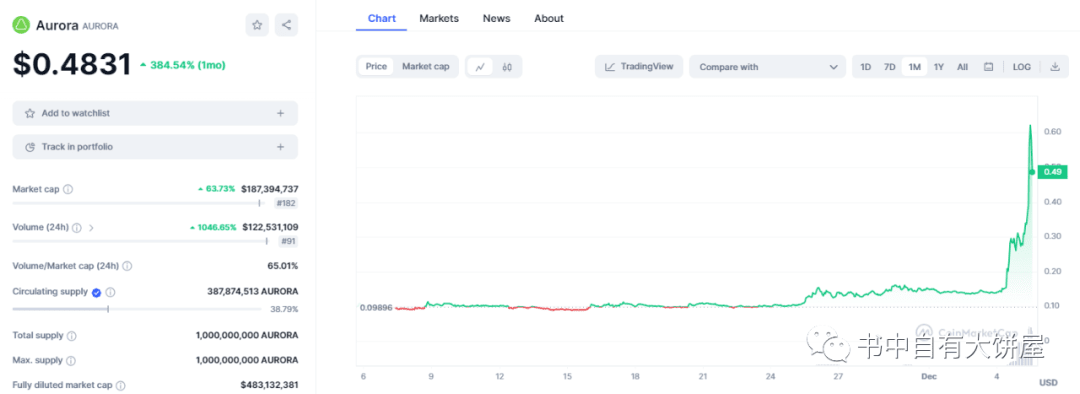
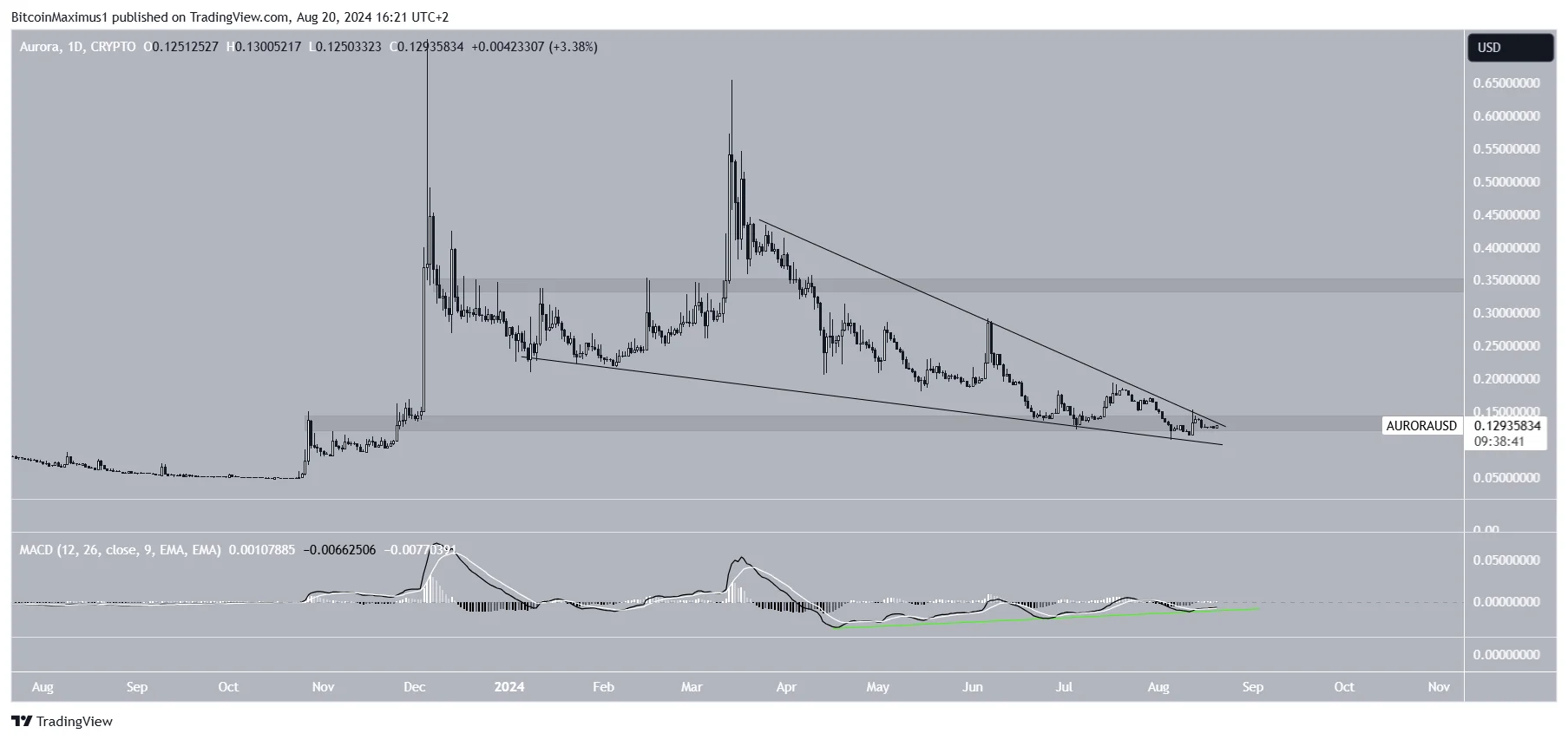
Current market data shows significant volatility, typical for Layer 2 and EVM-compatible solutions. The price of AURORA has fluctuated based on trading volume and sentiment around the NEAR ecosystem. To track real-time movements, the following widget provides live pricing data.
Analyst projections for 2026 vary widely, reflecting the inherent uncertainty in early-stage crypto infrastructure. Some optimistic forecasts suggest prices could reach up to $0.3729 by December 2026, while more conservative models point to lower ranges. These differing opinions highlight the need to focus on fundamental adoption metrics rather than short-term price targets.
| Source | 2026 Projection | Market Sentiment |
|---|---|---|
| Godex.io | Up to $0.3729 | Optimistic |
| General Market Consensus | Variable | Neutral |
The Aurora team has signaled upcoming updates through "Alpha Leaks" sessions, scheduled for April 2026, where they plan to share project insights and roadmap details. These transparent communication channels are critical for maintaining investor confidence and aligning market expectations with actual development progress.
For those looking to engage with the Aurora ecosystem or related tools, the following resources may be useful for staying informed and managing your crypto assets effectively.



As an Amazon Associate, we may earn from qualifying purchases.
As the Aurora EVM continues to refine its infrastructure, market participants should prioritize official announcements and verified development updates over speculative rumors. The 2026 landscape will likely be shaped by actual usage metrics and integration depth rather than pure price speculation.
Strategic considerations for 2026
Evaluating Aurora EVM requires looking beyond the hype cycle. As the ecosystem matures, the focus shifts from raw growth to sustainable infrastructure and clear utility. For investors and developers, the 2026 landscape demands a rigorous check of technical depth, tokenomics, and real-world adoption. Use this checklist to gauge long-term viability.
Aurora’s core value proposition lies in its seamless interoperability with NEAR. Ensure any project or tool you evaluate leverages this cross-chain bridge effectively. Weak integration often leads to liquidity fragmentation and higher friction for users moving assets between chains.
A robust ecosystem relies on accessible infrastructure. Look for comprehensive SDKs, clear documentation, and active community support. If developers are struggling with basic deployment or debugging, the network will likely face bottlenecks in scaling new applications.

Aurora uses ETH for base fees, which ties its economic health to Ethereum’s stability. Evaluate whether the project’s token offers genuine utility beyond speculation. Projects that rely solely on token appreciation without clear revenue streams or staking benefits are riskier long-term holds.
Look for consistent growth in Total Value Locked (TVL) and daily active addresses. Sudden spikes in metrics can indicate speculative bubbles, while steady, organic growth suggests a healthy, user-driven ecosystem. Cross-reference this data with official Aurora dashboards for accuracy.
| Metric | Healthy Signal | Risk Signal |
|---|---|---|
| TVL Growth | Steady monthly increase | Sudden 50%+ spike in 24h |
| Developer Activity | Weekly commits and updates | Stagnant repos for 3+ months |
| User Engagement | Consistent daily active users | High churn rate after airdrops |
The path to sustainability in 2026 is paved with transparent governance and technical resilience. By focusing on these concrete indicators, you can separate foundational projects from fleeting trends. Always verify claims against official Aurora channels and primary blockchain data before making decisions.
No comments yet. Be the first to share your thoughts!