How virtual chains redefine EVM infrastructure
The traditional Layer 2 narrative has long been dominated by monolithic rollups. These solutions attempt to scale Ethereum by building a single, massive chain that handles everything from execution to data availability. While effective for general-purpose scaling, this "one-size-fits-all" approach often forces developers to compromise. You either get high throughput with shared security bottlenecks, or you get specialized performance at the cost of developer familiarity.
Aurora EVM Infrastructure flips this model by introducing "Virtual Chains." Instead of one giant chain, Aurora treats EVM compatibility as a software layer that can be instantiated on demand. Think of it less like building a new highway and more like deploying a modular train system. Each Virtual Chain is a fully customizable, EVM-compatible smart contract running on the NEAR protocol. This architecture allows developers to spin up dedicated environments for specific applications without waiting for network-wide upgrades or fighting for block space on a congested main network.
This shift matters significantly for 2026's infrastructure landscape. As decentralized applications become more complex, the need for tailored execution environments grows. A gaming chain might need high-frequency state updates, while a DeFi protocol might prioritize deterministic finality. With Virtual Chains, these requirements can be met independently. The result is a scalable, modular infrastructure that retains the vast ecosystem of Ethereum tooling while shedding the limitations of monolithic design.
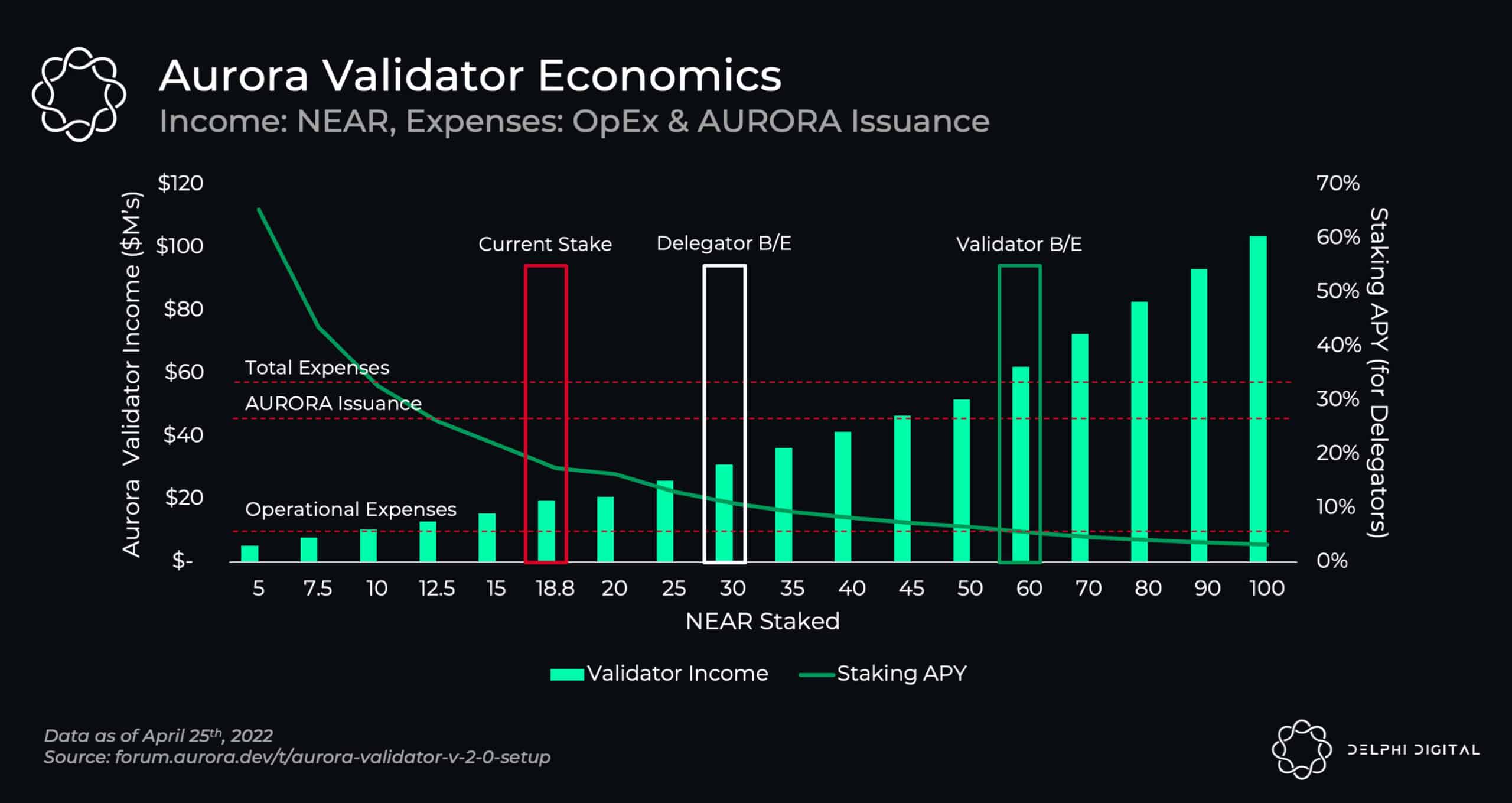
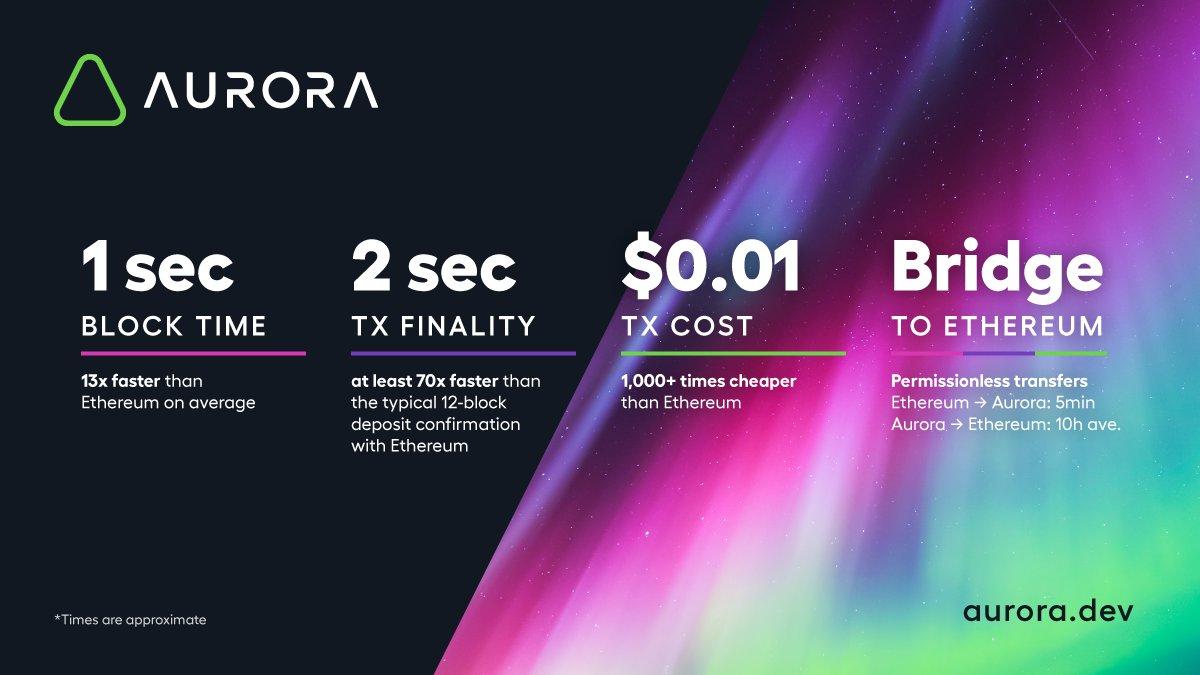
The underlying mechanics rely on NEAR's sharding technology. By running as smart contracts, Virtual Chains inherit NEAR's high throughput and low latency. This means developers can deploy EVM-compatible chains that offer near-instant transaction finality and negligible fees. It’s not just about scaling; it’s about providing the right tool for the job. Whether you are launching a new social media protocol or a high-frequency trading platform, the infrastructure adapts to your needs, not the other way around.
The Virtual Chain Stack
Aurora operates as a virtual chain, meaning it runs the Ethereum Virtual Machine (EVM) directly on the NEAR Protocol network rather than as a standalone Layer 1 blockchain. This architecture allows Aurora to inherit NEAR’s sharding capabilities, offering high throughput and low transaction costs without requiring developers to learn a new programming language. The core infrastructure relies on a pre-integrated stack of validators, oracles, bridges, and data indexers that function as a unified system.
At the foundation are the validators, which secure the network and execute smart contracts. These validators are responsible for processing transactions and maintaining the state of the EVM on NEAR. To ensure data availability and cross-chain communication, Aurora integrates Chainlink oracles for real-world data feeds and the Rainbow Bridge for asset transfers between Ethereum and NEAR. These components work together to create a seamless environment for dApps that need Ethereum compatibility with NEAR’s speed.
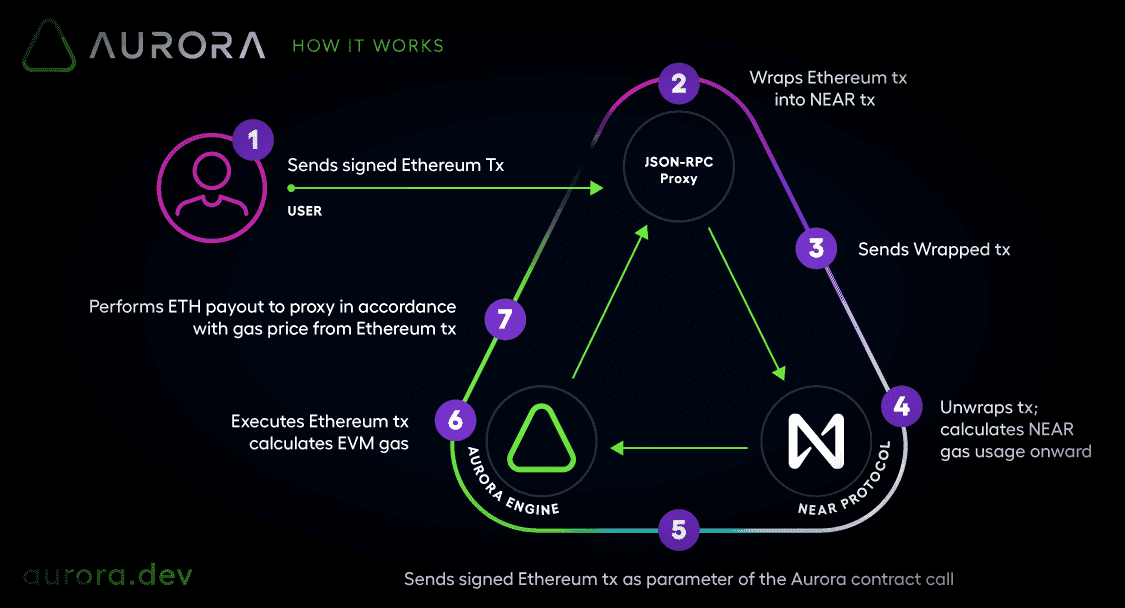
This integrated approach simplifies deployment for Ethereum developers. Instead of managing separate infrastructure for consensus, data availability, and bridging, teams can build on Aurora with the same tools they use on Ethereum—like Hardhat or Foundry—while benefiting from NEAR’s performance. The result is a robust infrastructure layer that supports complex DeFi and NFT applications with minimal overhead.
Aurora vs. other EVM L2 solutions
Choosing an Ethereum Virtual Machine (EVM) Layer 2 requires looking beyond simple gas prices. While Arbitrum, Optimism, and Base dominate the current transaction volume, Aurora offers a distinct architectural path through its virtual chain strategy. This approach leverages NEAR Protocol’s sharding to offer a different balance of cost, finality, and developer flexibility.
The core difference lies in how these chains handle throughput and security. Arbitrum and Optimism rely heavily on sequencers and fraud proofs or validity proofs respectively, creating a specific trust model. Aurora, conversely, is built on NEAR’s Nightshade sharding. This allows for near-instant finality and lower infrastructure overhead for deploying dedicated virtual chains.
For developers, the choice often comes down to ecosystem maturity versus infrastructure control. The table below breaks down the key technical distinctions across fees, finality, and deployment models.
| Feature | Aurora | Arbitrum One | Optimism |
|---|---|---|---|
| Finality | ~1 min (NEAR Sharding) | ~7 days (Fraud Proofs) | ~1 week (Dispute Period) |
| Deployment Model | Virtual Chains (Aurora Cloud) | Single Chain (Arbitrum One/Nitro) | Single Chain (OP Stack) |
| Gas Token | NEAR (ETH via Bridge) | ETH | ETH |
| Security Model | NEAR Protocol Validators | Arbitrum DAO + Fraud Proofs | OP Stack + Dispute Mechanism |
While Arbitrum and Optimism benefit from deeper liquidity and established DeFi ecosystems, Aurora’s virtual chain model allows projects to spin up isolated, high-throughput environments without competing for block space. This is particularly relevant for applications requiring predictable latency and high scalability, such as gaming or high-frequency trading protocols.
Essential tools for deploying on Aurora
Building on Aurora’s virtual chain architecture requires a specific stack of infrastructure tools. Because Aurora operates as an EVM-compatible layer built on NEAR Protocol, developers must leverage software that bridges Ethereum standards with NEAR’s high-throughput execution environment. The right tooling ensures that smart contracts deploy efficiently and remain secure across this unique virtual chain topology.
Development and Deployment Infrastructure
The core of any Aurora deployment is the development environment. Most developers use standard Ethereum tooling like Hardhat or Foundry, configured to point to Aurora’s RPC endpoints. For production-grade virtual chains, Aurora Cloud provides the necessary infrastructure to spin up dedicated, EVM-compatible chains. This allows teams to inherit NEAR’s security and scalability without managing low-level node infrastructure.
Monitoring and Security
Visibility into virtual chain performance is critical. Tools that monitor gas usage, transaction finality, and RPC health help teams maintain uptime. Since Aurora processes transactions through NEAR’s sharding, understanding these metrics is distinct from standard Ethereum mainnet monitoring. Security audits should also verify that cross-chain bridges and contract interactions align with Aurora’s specific consensus mechanisms.
Hardware Security
For teams managing private keys or deploying high-value contracts, hardware security remains a baseline requirement. Using hardware wallets for deployment signatures and testing environments helps mitigate risks associated with virtual chain interactions. These physical safeguards complement the software tools used to build and monitor dApps.

As an Amazon Associate, we may earn from qualifying purchases.
Market outlook and strategic risks for 2026
Aurora’s virtual chain architecture offers a distinct advantage for developers seeking Ethereum compatibility without the base-layer congestion. By running as smart contracts on the NEAR Protocol, these chains provide the scalability and speed required for high-throughput applications. This model positions Aurora not just as a bridge, but as a foundational layer for the next generation of EVM infrastructure, allowing builders to customize their environments while leveraging NEAR’s sharded throughput.
However, the path to 2026 carries significant technical and regulatory headwinds. The reliance on a specific underlying consensus mechanism creates a single point of failure; any disruption to the NEAR network directly impacts all virtual chains. Additionally, as regulatory scrutiny on cross-chain bridges and interoperability protocols intensifies, Aurora must navigate a complex legal landscape to maintain its position as a trusted infrastructure provider.
Investors and builders should monitor the decentralization metrics closely. While the current model offers superior performance, long-term viability depends on the successful migration to a fully decentralized security model. Until then, the trade-off between speed and sovereignty remains the central tension in Aurora’s strategic outlook.
Frequently asked questions about Aurora EVM
Aurora operates as a virtual chain, bridging the gap between Ethereum's developer ecosystem and NEAR Protocol’s high-speed infrastructure. This section addresses common queries regarding its architecture, utility, and market positioning.
No comments yet. Be the first to share your thoughts!